



What's Happening?
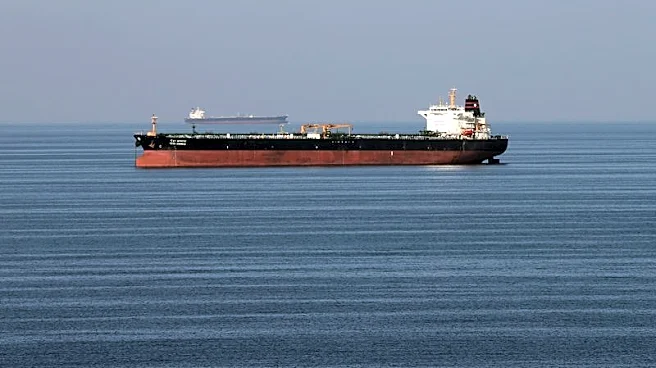
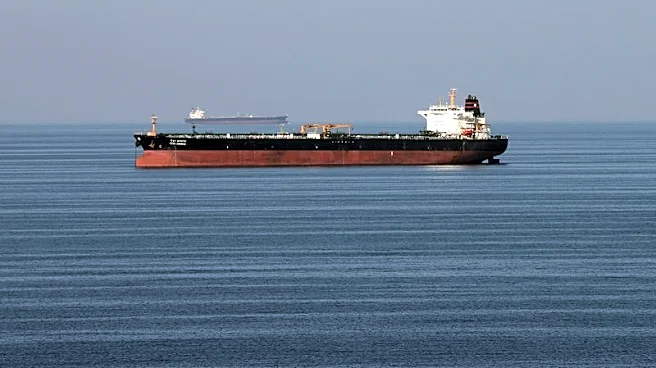
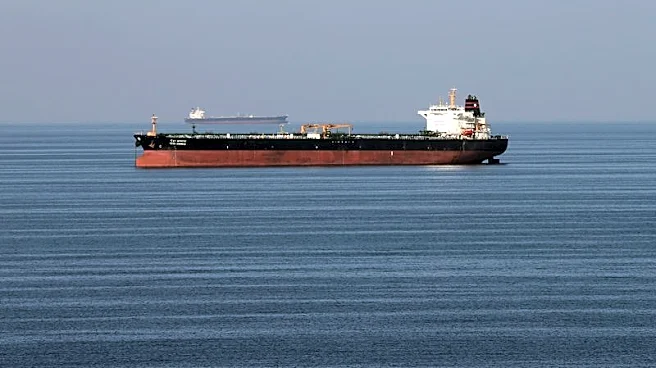
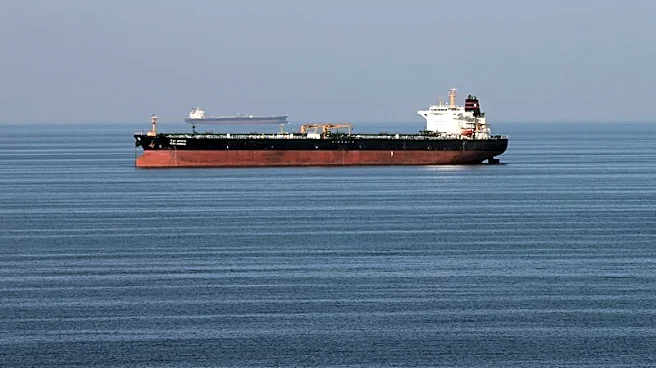
Oil prices have risen as Iran demands major concessions from the United States to reopen the Strait of Hormuz, a critical waterway for global oil supply. Brent crude, the international benchmark, increased by over 1% as Tehran's stance heightened market
anxiety. The strait, a conduit for about one-fifth of global oil supplies, has seen a significant reduction in shipping since the conflict began in February. Iran's conditions include easing sanctions and paying war reparations. The situation has led to the largest energy disruption in recorded history, with only a fraction of the usual vessel transits occurring.
Why It's Important?
The closure of the Strait of Hormuz has significant implications for global energy markets, affecting oil prices and economic stability. The strait's closure disrupts the supply chain, leading to increased costs for consumers and businesses worldwide. The situation underscores the geopolitical tensions in the region and the potential for further escalation. The ongoing conflict and Iran's demands could lead to prolonged instability in energy markets, impacting economies reliant on oil imports.
What's Next?
Negotiations between Iran and the United States will be crucial in determining the future of the Strait of Hormuz. A diplomatic breakthrough could stabilize oil prices, but the risk of reversal remains high. The international community will be closely monitoring the situation, with potential implications for global trade and energy security. The outcome of these negotiations could influence future geopolitical dynamics in the Middle East.