





What's Happening?
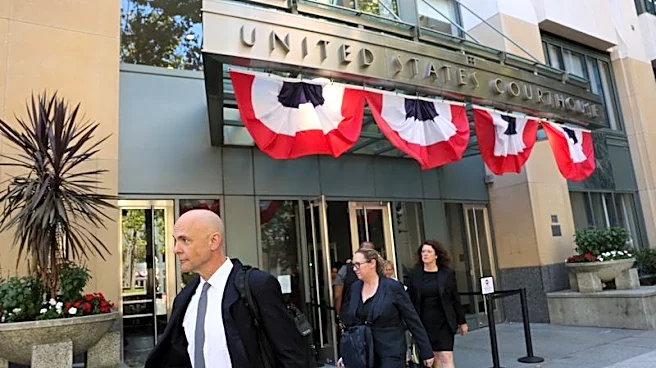
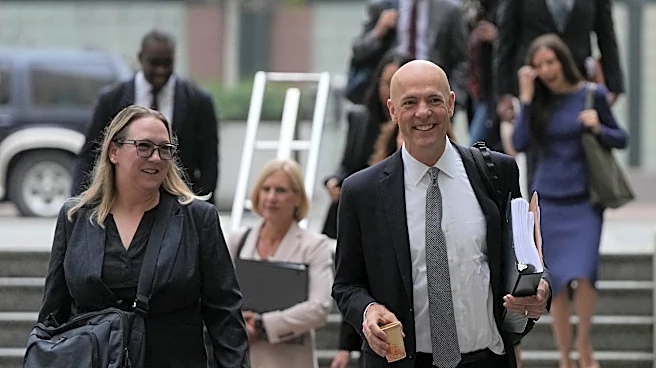
Opening statements are set to begin in a trial in Oakland, California, where Meta, the parent company of Facebook and Instagram, faces allegations of causing harm to children. Four state attorneys general from California, Colorado, Kentucky, and New Jersey
are leading this effort, marking the first of 29 states to pursue claims that Meta violated consumer protection laws. The trial will also address allegations from all 29 states that Meta breached the Children’s Online Privacy Protection Act (COPPA) by unlawfully collecting data from children. An advisory jury of eight people has been selected, with U.S. District Judge Yvonne Gonzalez Rogers presiding over the final ruling. The trial is anticipated to last six to eight weeks, with a verdict expected in October. Meta CEO Mark Zuckerberg and Instagram head Adam Mosseri are slated to testify. This trial is a component of the broader social media adolescent-addiction multidistrict litigation (MDL), which has consolidated thousands of cases nationwide since 2022. The core concern is that Meta intentionally designed its applications to be addictive for minors, despite internal research indicating that its products contribute to serious mental health issues in children.
Why It's Important?
This trial represents a significant legal challenge to major tech companies, particularly Meta, regarding their product design and its impact on young users. It is the first MDL case to reach a jury and the first brought by state attorneys general, making it a crucial test of the federal litigation's merits. The states are seeking not only damages but also platform changes, including age restrictions, the removal of the infinite scroll feature, and the deletion of algorithms built on children's data. This approach bypasses Section 230 of the Communications Decency Act, which typically shields social media companies from liability for third-party content, by focusing on product design and alleged deception. A successful outcome for the states could set a precedent for increased accountability for tech companies, potentially leading to widespread changes in how social media platforms are designed and regulated to protect minors. Conversely, a Meta victory could embolden tech companies and make future regulatory efforts more challenging.
What's Next?
The trial is expected to continue for six to eight weeks, with a verdict anticipated in October. Meta CEO Mark Zuckerberg and Instagram head Adam Mosseri are scheduled to testify during this period. Following this trial, more MDL trials are expected to commence early next year, with the next school district bellwether trials, involving Arizona’s Tucson Unified School District and South Carolina’s Charleston County School District, slated for February 2027. The timing for individual bellwether cases from the MDL remains uncertain. Legal experts suggest that regardless of the immediate outcome, the sheer volume of lawsuits and new legislation indicates that significant changes to social media platforms are imminent. The states' aggressive and coordinated efforts signal a strong push for both financial penalties and fundamental alterations to platform conduct, aiming to foster a safer online environment for children.
Beyond the Headlines
This litigation delves into the ethical responsibilities of tech companies in designing products that can have profound psychological effects on vulnerable populations, specifically minors. The focus on product design rather than content challenges the traditional legal defenses of social media platforms and could redefine the scope of their liability. It highlights a growing societal concern about the mental health crisis among adolescents, with social media being identified as a contributing factor. The outcome could influence future legislative efforts to regulate online platforms, potentially leading to stricter age verification, data collection, and algorithmic transparency requirements. This case also underscores a broader shift in legal and public perception, moving away from viewing tech companies as 'untouchable' and towards holding them accountable for the societal impacts of their innovations. The potential for Meta to face up to $1.4 trillion in damages, close to its market value, emphasizes the severe financial implications and the high stakes involved in this legal battle.