










What's Happening?
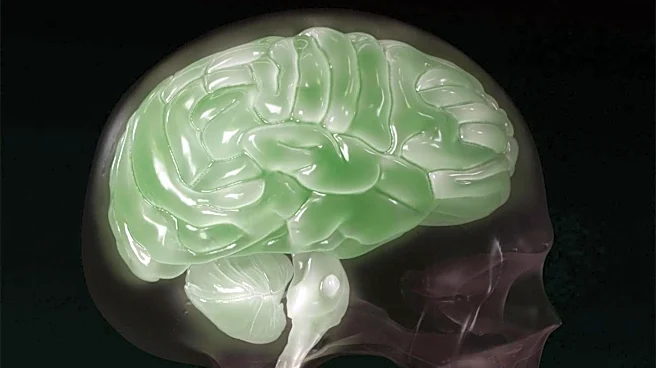
Brain fog, characterized by symptoms such as difficulty concentrating and forgetfulness, is increasingly reported among young adults. Experts suggest that this condition, while not a formal medical diagnosis, is often linked to lifestyle factors such as sleep
deprivation, stress, and information overload. The COVID-19 pandemic has also been identified as a contributing factor, with long COVID symptoms including persistent cognitive difficulties. While brain fog is usually temporary, persistent symptoms may indicate underlying medical conditions that require further investigation.
Why It's Important?
The rise in brain fog among young adults highlights the impact of modern lifestyle and the lingering effects of the COVID-19 pandemic on mental health. Understanding the causes and addressing them through lifestyle changes can improve cognitive function and overall well-being. This issue underscores the need for increased awareness and research into cognitive health, particularly as it affects productivity and quality of life in a fast-paced, information-rich environment.
What's Next?
As awareness of brain fog increases, there may be a push for more research into its causes and treatments. Healthcare providers might focus on educating patients about lifestyle modifications that can alleviate symptoms. Additionally, there could be a growing demand for cognitive health resources and support services, particularly for those experiencing long COVID symptoms.