



What's Happening?
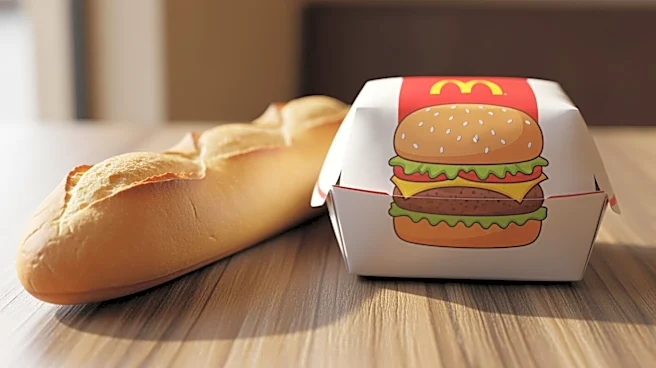
The fast food industry in France is experiencing significant growth, with U.S. brands like McDonald's, Burger King, and KFC expanding their presence. This trend is reshaping the French restaurant landscape, traditionally known for its haute cuisine. French fast food chains
such as Tasty Crousty and O'Tacos are also gaining popularity, particularly among younger consumers influenced by social media. The fast food sector now accounts for more than half of the restaurant industry's revenue in France, marking a 30% increase in revenue from 2019. This shift is driven by the 35-and-under demographic, who are more inclined towards fast and casual dining options.
Why It's Important?
The expansion of U.S. fast food chains in France highlights a cultural shift in dining preferences, potentially threatening the traditional French gastronomy. This trend could impact local businesses and the cultural heritage of French cuisine, which is renowned worldwide. The growth of fast food chains may also influence the economic landscape, as these businesses contribute significantly to the restaurant industry's revenue. However, this expansion has faced resistance from local communities concerned about the impact on their quality of life and the environment. The situation underscores the tension between globalization and cultural preservation.
What's Next?
As U.S. fast food chains continue to expand in France, local communities and traditional chefs may increase their efforts to preserve French culinary heritage. This could involve lobbying for government support to recognize gastronomy as a cultural exception, similar to other arts. Additionally, there may be more initiatives to promote high-quality fast food options that align with French culinary standards. The ongoing debate between fast food expansion and cultural preservation is likely to continue, with potential implications for policy and consumer behavior.
Beyond the Headlines
The rise of fast food in France raises questions about the sustainability of traditional dining practices and the role of cultural identity in a globalized world. The situation also highlights the influence of social media and digital trends on consumer behavior, particularly among younger generations. As the fast food industry evolves, there may be opportunities for innovation in combining speed with quality, potentially leading to new dining concepts that bridge the gap between fast food and fine dining.