




What's Happening?
Southern California experienced its most severe mosquito season in a decade, with Los Angeles County accounting for over half of the reported human West Nile virus cases statewide. A study by UC Berkeley researchers, analyzing Los Angeles-area data from
2006 to 2016, identified a critical temperature threshold for West Nile virus transmission. When average temperatures remained below approximately 70 degrees Fahrenheit, the likelihood of mosquitoes carrying the virus was significantly lower. However, once temperatures surpassed roughly 73 degrees Fahrenheit, transmission rates sharply increased, correlating with a rise in human infections. Coastal Los Angeles, where summer temperatures typically range from the high 60s to low 70s, is particularly vulnerable, as even a slight temperature increase can push conditions into dangerous territory, as observed this year. The California Department of Public Health reported 528 serious human infections and 32 deaths due to West Nile virus as of November 6.
Why It's Important?
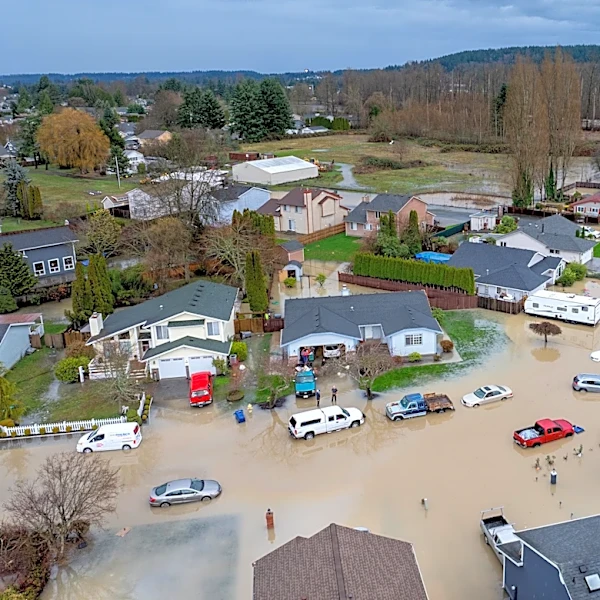
The heightened risk of West Nile virus in Southern California underscores the significant public health challenges posed by climate change and extreme weather patterns. The identified temperature tipping point highlights how subtle environmental shifts can dramatically impact disease transmission, making coastal regions, which are often densely populated, particularly susceptible. The potential for an El Niño year, bringing heavy rains, could exacerbate the situation by creating more breeding grounds for mosquitoes if floodwaters persist into warmer spring months. This scenario strains local vector control districts, which are already facing budget limitations and the emergence of harder-to-control invasive mosquito species like Aedes aegypti. The lack of a vaccine for West Nile virus further emphasizes the reliance on prevention and control measures, which are becoming increasingly difficult to manage amidst changing climatic conditions.
What's Next?
Public health officials and vector control agencies are bracing for the potential impacts of an anticipated strong El Niño winter, which federal forecasters predict has over a 90% chance of occurring. Heavy rainfall, particularly in Southern California, could lead to lingering floodwaters into spring, creating ideal conditions for mosquito population surges. This concern is amplified by past events, such as the 2023 refilling of the Tulare Lake basin, which led to a significant increase in West Nile virus cases. While cooler nights may temporarily reduce mosquito activity, experts remain uneasy about the long-term outlook. The complex interplay of birds, mosquitoes, and weather makes precise forecasting challenging, but the overall trend suggests more years with conditions favorable for outbreaks. Scientists are also advocating for the development of a West Nile virus vaccine, as current prevention methods have not adequately reduced cases and deaths.
Beyond the Headlines
The increasing prevalence of West Nile virus in Southern California, driven by climate change, reveals deeper implications beyond immediate health concerns. It highlights the interconnectedness of environmental health and human well-being, demonstrating how global climate patterns can directly influence local disease dynamics. The challenge of controlling mosquito-borne illnesses is compounded by the emergence of invasive species and the limitations of existing infrastructure and funding for vector control. This situation calls for a reevaluation of public health strategies, emphasizing proactive measures, interdisciplinary research, and community engagement in prevention. The unpredictability of outbreaks due to extreme weather events, whether floods or droughts, suggests a future where infectious diseases become more erratic and harder to manage, necessitating adaptive and resilient public health systems.