

What's Happening?
Chief executive officers from major U.S. airlines, including American Airlines, United Airlines, Delta Air Lines, and others, have urged Congress to swiftly end the ongoing 29-day partial government shutdown. This shutdown has resulted in 50,000 airport
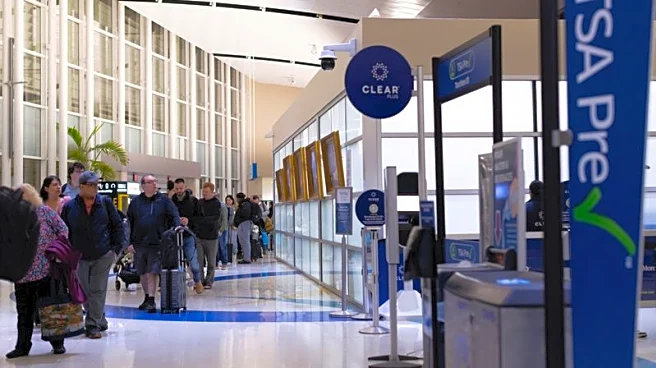
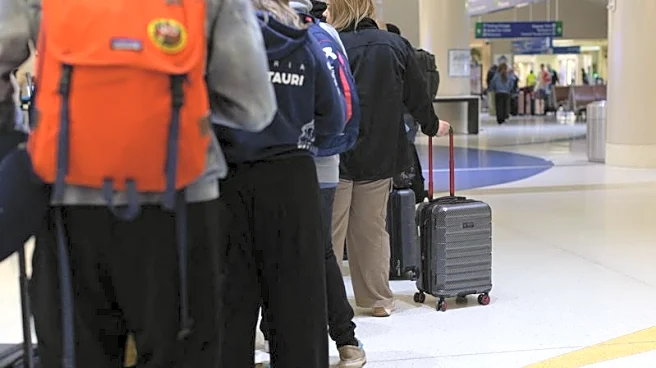
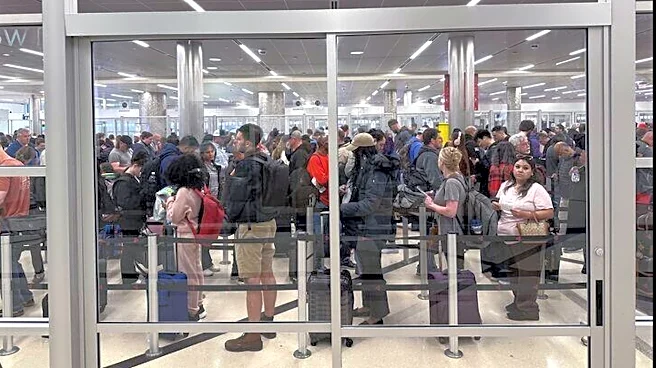
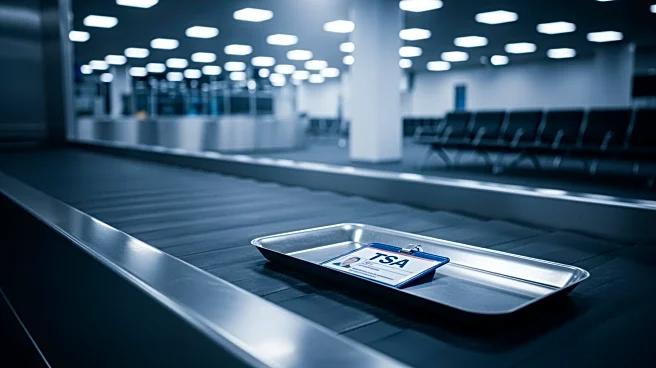
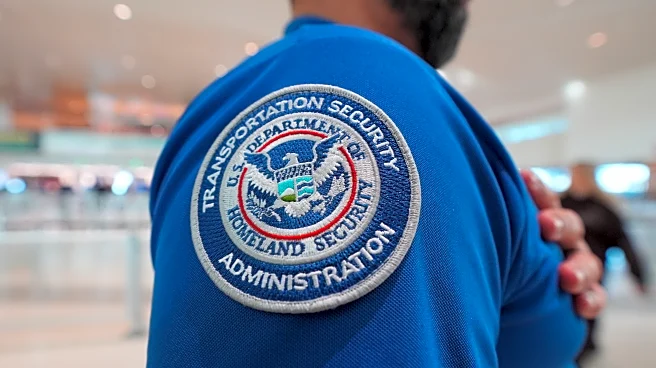
security officers working without pay, causing significant disruptions in air travel. The CEOs highlighted the increasing absences of Transportation Security Administration (TSA) officers, which have led to long wait times at security checkpoints, particularly during the busy spring break travel season. In an open letter, the airline executives called for immediate action to fund the Department of Homeland Security and prevent future shutdowns from affecting critical aviation personnel. The shutdown began after Congress failed to reach an agreement on immigration enforcement reforms, leading to a lapse in funding for the Homeland Security Department.
Why It's Important?
The ongoing government shutdown poses a significant threat to the U.S. aviation industry and the broader economy. With TSA officers working without pay, there is a risk of increased absenteeism, which could lead to longer security lines, flight delays, and cancellations. This situation is particularly concerning as airlines anticipate a record-breaking spring travel period, with 171 million passengers expected to fly. The disruption in air travel not only affects passengers but also has economic implications, potentially impacting tourism and business travel. The call from airline CEOs underscores the urgency of resolving the shutdown to ensure the smooth operation of air travel and maintain public confidence in the aviation system.
What's Next?
If Congress fails to act, the situation could worsen, with more TSA officers potentially quitting due to non-payment, further exacerbating travel disruptions. The airline CEOs have urged lawmakers to come together to fund the Department of Homeland Security and pass legislation to ensure that critical aviation personnel are paid during future shutdowns. The resolution of this issue will require bipartisan cooperation, and the pressure from the aviation industry may prompt Congress to prioritize finding a solution. Additionally, airports and airlines may need to implement contingency plans to manage security lines and minimize disruptions if the shutdown continues.