







What's Happening?
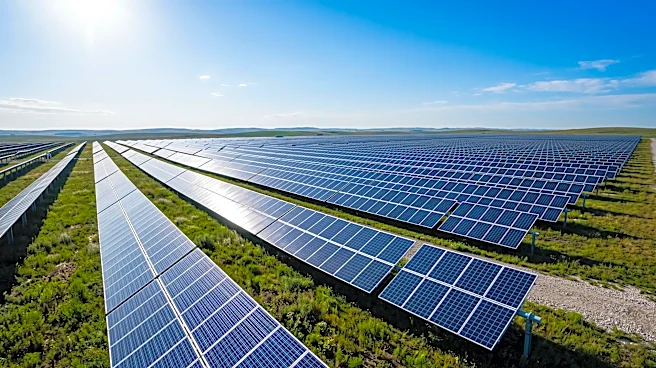
The implementation of sustainable solar microgrids is becoming increasingly vital for ensuring reliable backup power, particularly in the event of main grid failures. Unlike standard rooftop solar panels that shut down during outages to prevent electricity
feedback into damaged lines, microgrids are designed to 'island' or separate from the main grid and supply a smaller local network independently. This distinction is critical for communities that need to maintain essential services, such as clinics requiring refrigeration or water treatment facilities needing power for their systems. Effective microgrid design involves identifying critical loads, implementing load shedding to prioritize essential services when energy is limited, and incorporating robust battery storage to last beyond daylight hours. The smooth transition to backup power and the long-term maintenance of the system are also key considerations for ensuring resilience.
Why It's Important?
The reliability of power during outages has significant implications for public safety, health, and economic stability across the U.S. Communities that invest in resilient microgrids can protect critical infrastructure and services, minimizing disruptions during emergencies caused by severe weather or other grid failures. This is particularly important for vulnerable populations and essential facilities. The shift towards microgrids also supports broader energy independence and sustainability goals by integrating renewable sources like solar. However, the effectiveness of these systems depends on careful planning, including accurate assessments of energy needs, sufficient battery capacity, and well-tested transition mechanisms. Without these, the promise of backup power may not be fully realized, potentially leading to continued vulnerabilities during extended outages.
What's Next?
As more communities explore solar microgrids, there will be an increased focus on comprehensive planning and testing. This includes clearly defining which essential buildings will receive power during an outage and how long battery systems are expected to support them without sunshine. Project teams will need to conduct thorough testing of safe transitions away from grid power to ensure seamless operation during emergencies. Furthermore, establishing clear maintenance plans and identifying responsible parties for ongoing system upkeep will be crucial for long-term reliability. Communities will also need to consider geographical challenges, such as salt exposure in coastal areas or dust in dry regions, and factor these into equipment protection and maintenance budgets. The distinction between community solar projects and islanded backup microgrids will become more pronounced as communities seek truly resilient power solutions.
Beyond the Headlines
Beyond the immediate benefits of backup power, the widespread adoption of solar microgrids could catalyze a fundamental shift in how communities perceive and manage their energy infrastructure. It moves away from a centralized, vulnerable grid model towards a more distributed, resilient, and localized energy ecosystem. This decentralization could empower communities with greater control over their energy supply, fostering local economic development through green jobs in installation and maintenance. It also raises questions about energy equity, ensuring that all communities, especially those most vulnerable to outages, have access to reliable and sustainable power. The success of these microgrids will depend not just on technological advancements but also on community engagement, policy support, and a collective understanding of the long-term commitment required for energy resilience.