


What's Happening?
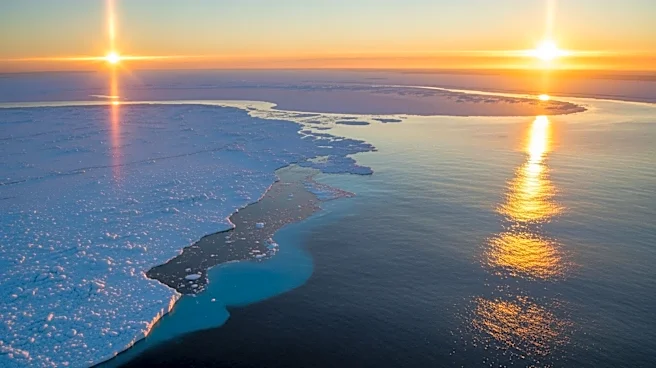
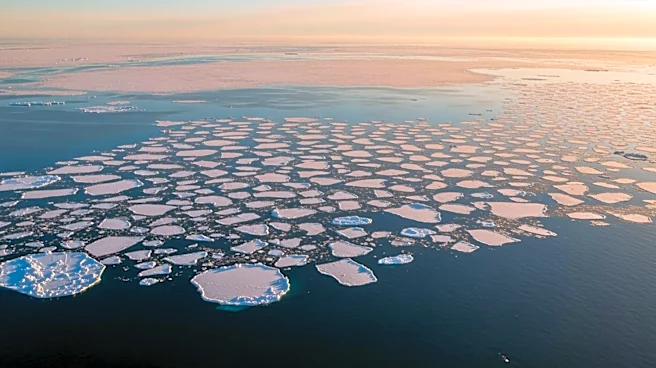
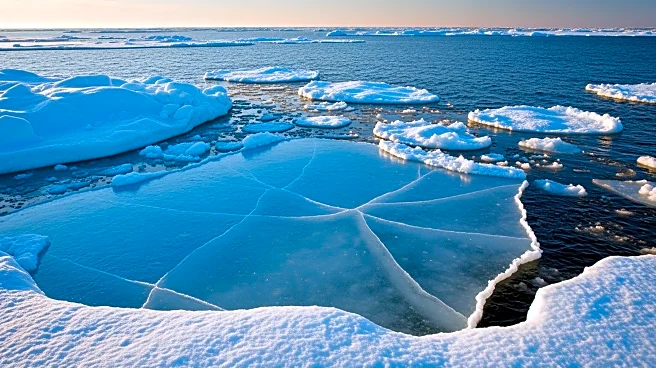
Arctic sea ice has tied its lowest recorded winter level, with a peak measurement of 5.52 million square miles, slightly below last year's figure. This decline is part of a broader trend of shrinking sea ice due to global warming, which has also led to record-breaking
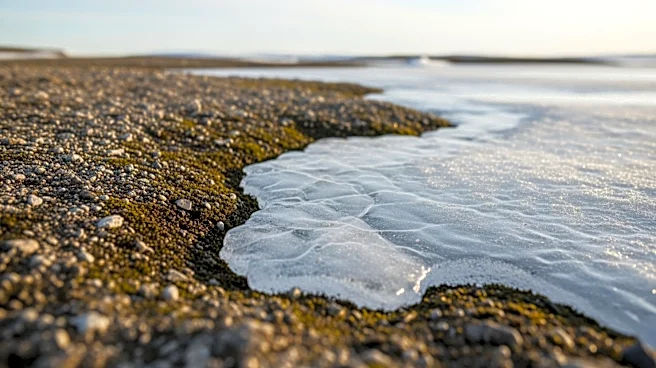
temperatures across various continents. The reduction in sea ice is significant as it affects Earth's climate by reducing the amount of sunlight reflected back into space, thereby increasing ocean temperatures. The lack of sea ice also impacts wildlife and opens new shipping routes, leading to geopolitical changes.
Why It's Important?
The continued decline in Arctic sea ice is a clear indicator of climate change and its impact on global weather patterns. The reduction in ice cover not only contributes to rising ocean temperatures but also affects global climate systems, potentially altering weather patterns and increasing the frequency of extreme weather events. The geopolitical implications of new shipping routes in the Arctic could lead to increased international tensions as countries vie for control over these new passages. Additionally, the loss of habitat for polar wildlife poses a significant threat to biodiversity in the region.