




What's Happening?
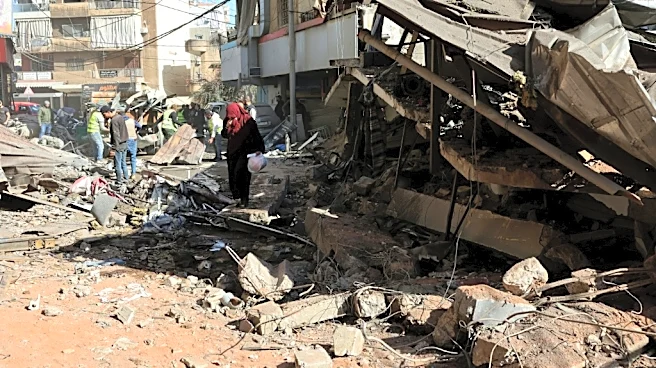
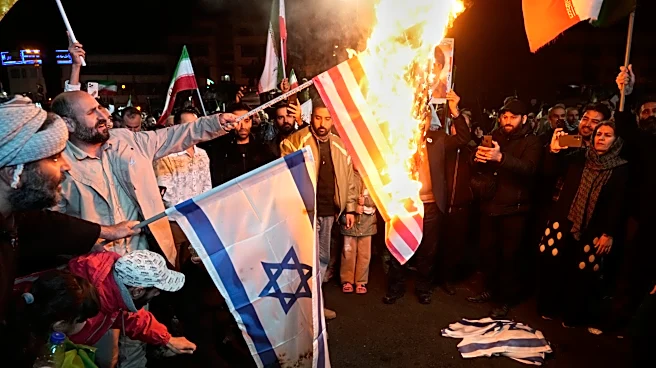
A recent massive strike by Israel on Lebanon has put a strain on the ceasefire agreement between the United States and Iran. Iran has accused Israel of violating the ceasefire, while the US and Israel maintain that the agreement does not cover Hezbollah
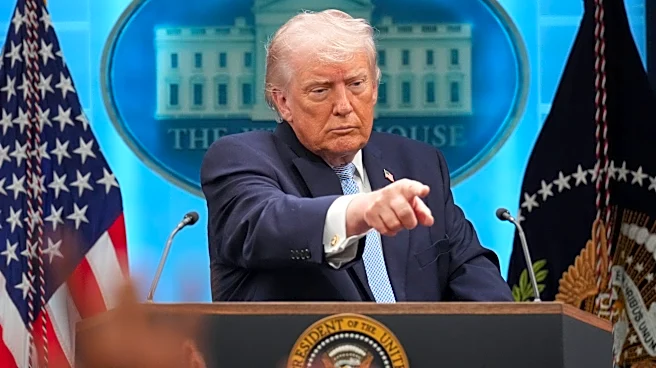
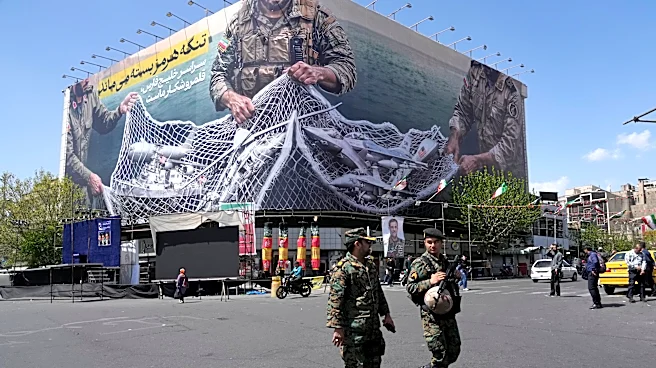
activities in Lebanon. The situation has led to a halt in shipping through the Strait of Hormuz, a critical maritime passage, as reported by Iran's Islamic Revolutionary Guard Corps. The US Vice President JD Vance has stated that if Iran does not comply with reopening the strait, the ceasefire could be terminated.
Why It's Important?
The ceasefire between the US and Iran is crucial for maintaining stability in the Middle East, particularly in the Strait of Hormuz, a vital route for global oil shipments. Disruptions in this area can have significant implications for global oil prices and economic stability. The halt in shipping could lead to increased tensions and potential military confrontations, affecting international relations and economic conditions worldwide. The situation also highlights the fragile nature of peace agreements in the region and the complex geopolitical dynamics involving multiple state and non-state actors.
What's Next?
The next steps involve diplomatic efforts to address the violations and ensure the reopening of the Strait of Hormuz. The US and its allies may engage in negotiations with Iran to reinforce the terms of the ceasefire. Additionally, there could be increased international pressure on Israel to limit its military actions in Lebanon. The outcome of these diplomatic efforts will be critical in determining the future of the ceasefire and regional stability.