







What's Happening?
South African infectious disease specialists, led by Lucille Blumberg, identified a hantavirus outbreak on the Dutch cruise ship MV Hondius. The discovery followed an urgent request from a UK-based colleague about a passenger evacuated to a Johannesburg
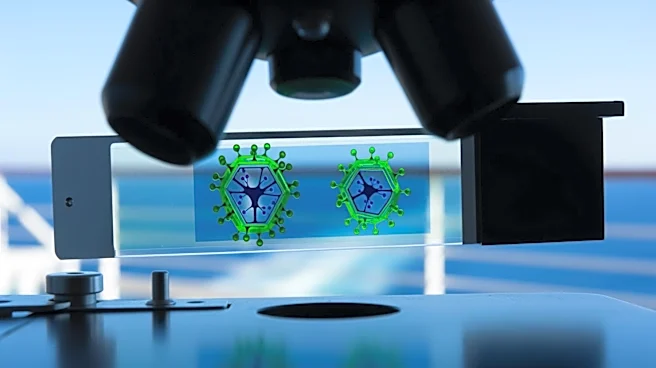
hospital with suspected pneumonia. Initial tests for common respiratory diseases were negative, leading experts to consider hantavirus, a rare rodent-borne virus prevalent in parts of South America. Collaboration with hantavirus experts from South America and the U.S., facilitated by the WHO, confirmed the presence of the virus. The outbreak resulted in three passenger deaths, with the first confirmed case, a British man, now improving in a South African hospital. The ship has since been disinfected in Rotterdam, and remaining crew members have disembarked.
Why It's Important?
The identification of hantavirus on a cruise ship underscores the importance of rapid international collaboration in managing infectious disease outbreaks. This incident highlights the potential for rare diseases to spread globally via international travel, posing significant public health challenges. The swift response by South African scientists, in conjunction with global experts, prevented further spread and provided critical insights into managing such outbreaks. This case also emphasizes the need for robust disease surveillance systems and the ability to quickly mobilize resources and expertise across borders, which is crucial for protecting public health and ensuring the safety of international travel.
What's Next?
Following the identification of hantavirus, health authorities are likely to enhance monitoring and preventive measures on cruise ships and other international travel modes. The WHO and other health organizations may issue updated guidelines to prevent similar outbreaks. There may also be increased research into hantavirus transmission and prevention, particularly in travel settings. The incident could prompt cruise lines to review and strengthen their health protocols, including passenger screening and onboard medical facilities, to better handle potential outbreaks in the future.
Beyond the Headlines
This event may lead to broader discussions on the ethical responsibilities of cruise lines and travel companies in ensuring passenger safety. It also raises questions about the adequacy of current health regulations governing international travel and the need for more stringent measures to prevent the spread of infectious diseases. Additionally, the incident could influence public perception of cruise travel safety, potentially impacting the industry economically as travelers reassess their risk tolerance.