







What's Happening?
L3Harris Technologies is set to provide power systems for the U.S. Navy's Columbia-class submarines, building on its existing work with the Virginia-class fleet. The company currently supplies power distribution systems and universal modular masts for every
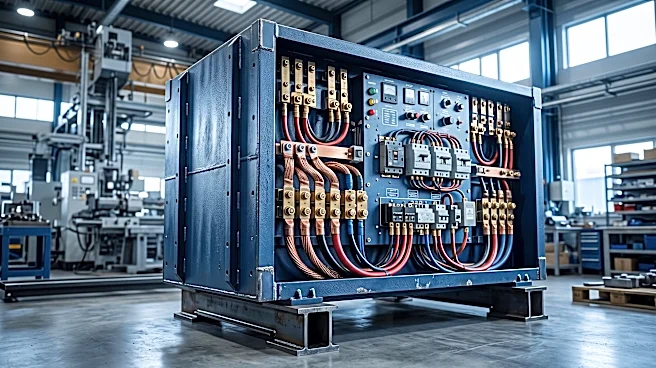
Virginia-class submarine. This expansion into the Columbia program signifies L3Harris's continued role in supporting the Navy's next-generation strategic deterrent. According to Nino DiCosmo, president of Maritime at L3Harris, the company is committed to ensuring its power systems operate reliably for the entire lifespan of the submarines, from their first patrol to their fiftieth. Submarine electrical networks are critical for operating sensors, weapons, and crew systems during extended periods at sea, requiring components that can withstand shock, manage heat, and meet electromagnetic compatibility standards. L3Harris designs and tests its equipment, including switchgear, power protection systems, and power conversion technologies, to meet these stringent requirements. The company is also investing in technologies to address the increasing demands on shipboard electrical systems from advanced radars, directed-energy weapons, and new propulsion architectures, demonstrating its long-term commitment to the Navy's current and future fleets.
Why It's Important?
This development is crucial for the U.S. Navy's strategic capabilities, particularly as it invests in next-generation submarines like the Columbia-class, which are designed to be the nation's future strategic deterrent. L3Harris's role ensures that these advanced platforms will have reliable and robust power systems, essential for their operational effectiveness and the safety of their crews during long deployments. The continuous supply of critical components from a trusted U.S. defense contractor like L3Harris helps maintain the technological superiority of the U.S. submarine fleet. Furthermore, the company's investment in advanced power technologies for naval platforms indicates a forward-looking approach to defense capabilities, anticipating future demands from increasingly complex systems. This partnership underscores the importance of a strong domestic defense industrial base in supporting national security objectives and maintaining a credible deterrent posture.
What's Next?
L3Harris Technologies will continue to deliver power systems for the U.S. Navy's Columbia-class submarines as they progress through their construction and deployment phases. The company's ongoing investments in advanced naval power technologies suggest a continuous evolution of its offerings to meet future demands from the Navy. While specific spending amounts or new contracts were not disclosed, the commitment to long-term support for both current and future fleets implies a sustained partnership. The successful integration of these power systems will be vital as the Columbia-class submarines begin their patrols, ensuring the operational readiness of these critical strategic assets. The focus on developing technologies for advanced radars, directed-energy weapons, and new propulsion architectures indicates that L3Harris will likely play a significant role in the electrical infrastructure of future naval platforms.
Beyond the Headlines
The reliance on specialized companies like L3Harris for critical components highlights the intricate and interdependent nature of modern defense manufacturing. The development and production of advanced submarine power systems involve highly specialized engineering and manufacturing processes, underscoring the importance of a skilled workforce and robust supply chains within the U.S. defense industry. The long-term nature of these contracts, spanning decades of submarine operations, also emphasizes the need for sustained investment in research and development to ensure technological superiority. This partnership is not just about hardware; it's about maintaining a strategic advantage through continuous innovation and reliable support for the nation's most advanced military assets. The ability of these power systems to withstand extreme conditions and operate for months at sea also speaks to the rigorous testing and quality control standards required in defense manufacturing, setting a benchmark for reliability and performance.