




What's Happening?
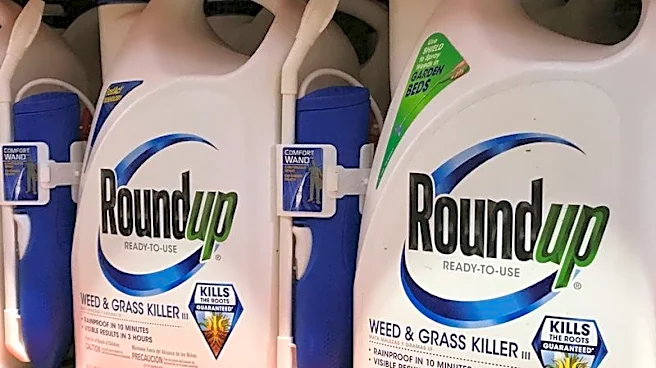
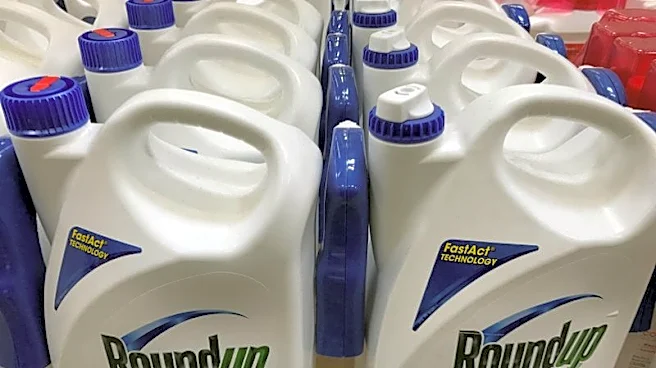
The Make America Healthy Again (MAHA) coalition has expressed discontent with the Trump administration's support for the pesticide maker Bayer in a Supreme Court case concerning the herbicide glyphosate. The coalition, which includes health advocates
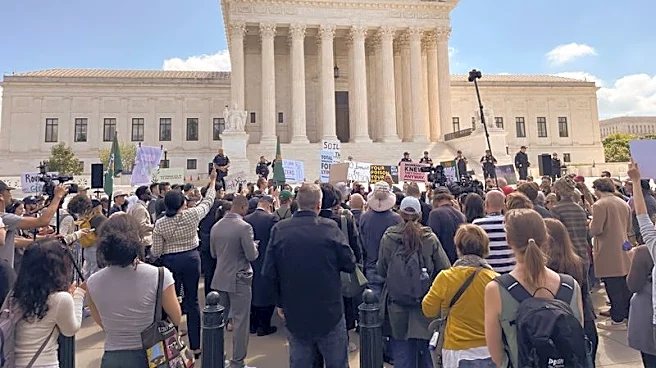
and environmentalists, rallied outside the Supreme Court as justices heard arguments on whether Bayer can be shielded from lawsuits alleging that glyphosate causes cancer. The Trump administration's backing of Bayer, along with an executive order to expand domestic glyphosate production, has angered MAHA members. The World Health Organization previously labeled glyphosate as 'probably carcinogenic,' a finding not supported by the EPA. The coalition accuses the administration of prioritizing chemical industry interests over public health.
Why It's Important?
This development highlights the tension between public health advocacy groups and government regulatory bodies over chemical safety standards. The outcome of the Supreme Court case could have significant implications for the regulation of glyphosate and similar chemicals, affecting agricultural practices and public health policies. The MAHA movement's criticism reflects broader concerns about the influence of industry on environmental regulations and the potential health risks associated with chemical exposures. The case also underscores the challenges faced by advocacy groups in influencing policy decisions that prioritize public health over economic interests.
Beyond the Headlines
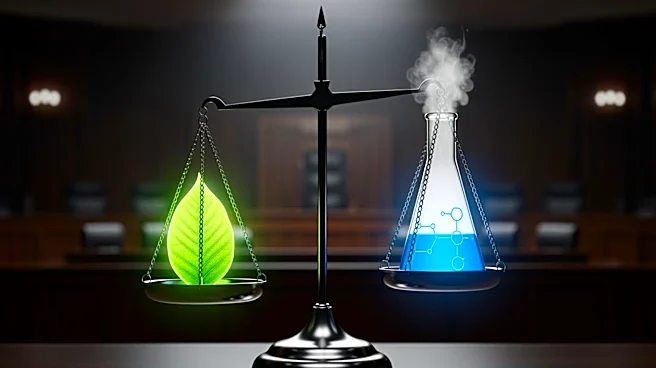
The controversy over glyphosate is part of a larger debate about the role of government in regulating environmental and health standards. The MAHA movement's actions highlight the growing public demand for transparency and accountability in regulatory processes. The case also raises questions about the balance between economic growth and environmental protection, as well as the ethical considerations of allowing potentially harmful chemicals in widespread use. The administration's stance may influence future regulatory approaches and the public's trust in government agencies tasked with safeguarding health and the environment.