






What's Happening?
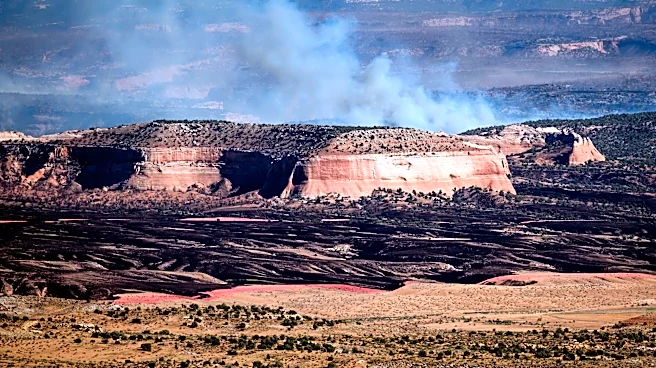
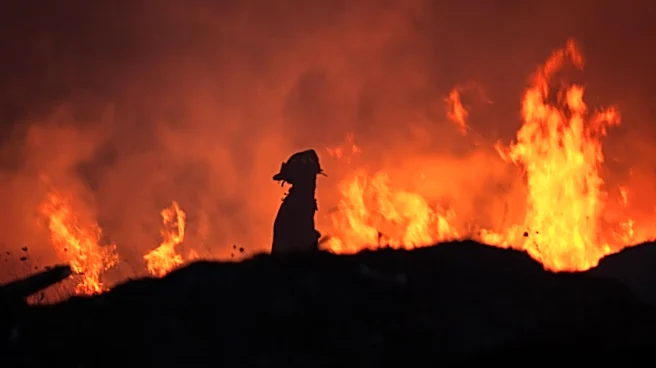
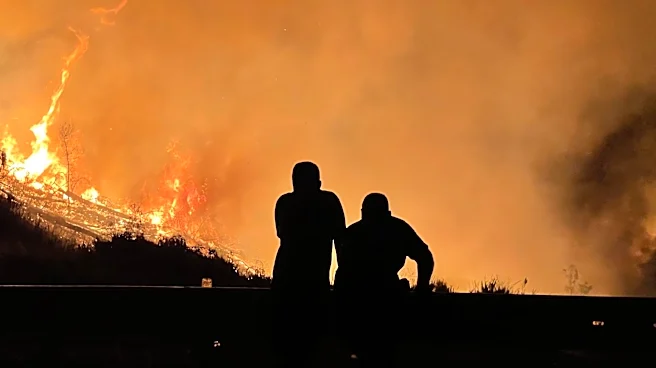
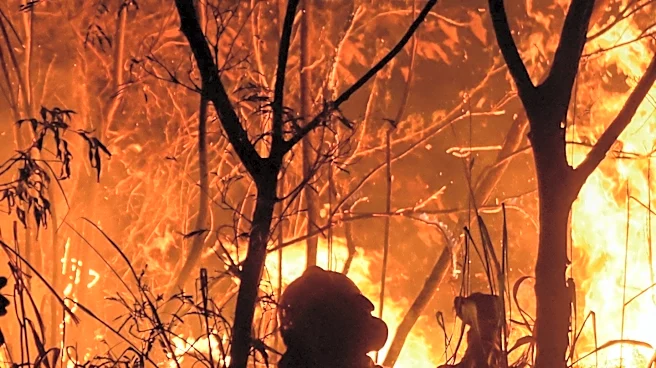
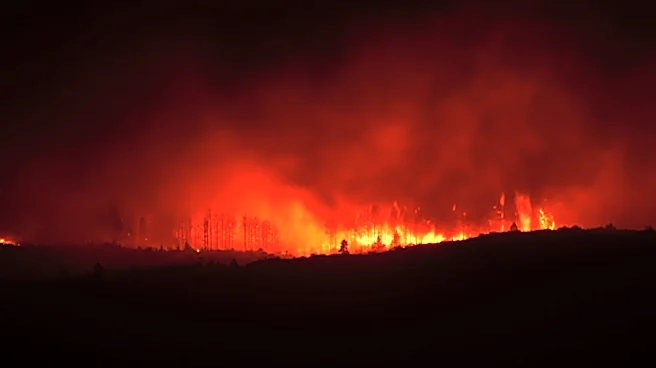
Three firefighters tragically lost their lives while battling a wildfire along the Colorado-Utah border. The firefighters, part of a specialized crew, were attempting to shield themselves from the flames using tent-like shelters when they were overcome.
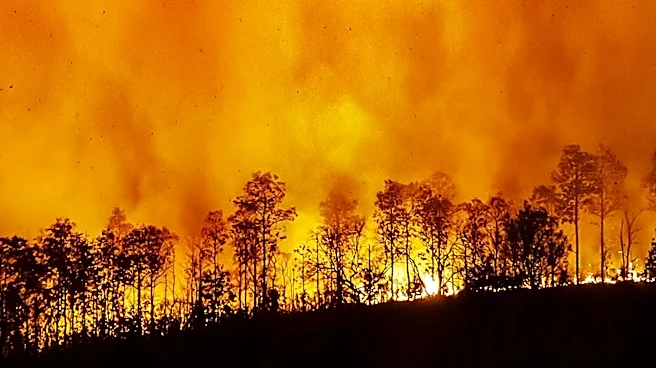
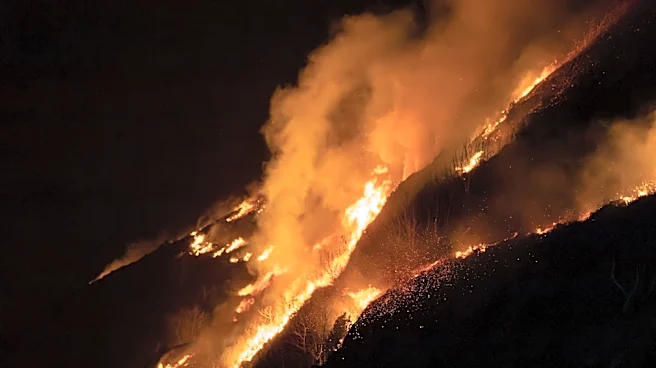
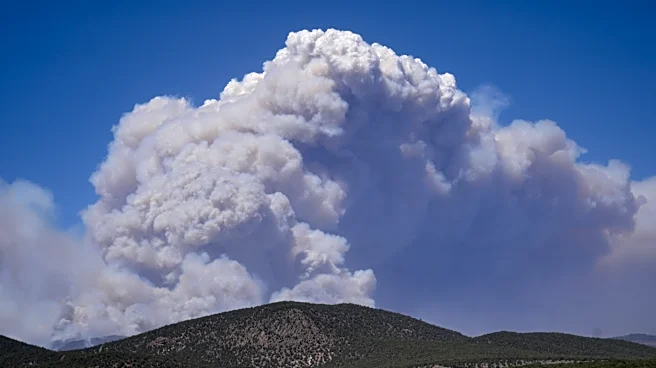
This incident echoes a similar tragedy from 13 years ago in Arizona, where 19 firefighters died under comparable circumstances. The current wildfires have been fueled by months of dry weather and a lack of snow, leading to extreme fire dangers across the western United States. The National Interagency Fire Center has raised the national preparedness level to 4, indicating that resources are becoming strained. Over 8,000 wildland firefighters and numerous helicopters are currently deployed to combat more than two dozen large fires, with evacuations ordered in several states.
Why It's Important?
The deaths of these firefighters highlight the severe risks faced by those combating wildfires, especially under extreme weather conditions. The increasing frequency and intensity of wildfires pose significant challenges to firefighting resources and strategies. The situation underscores the urgent need for effective wildfire management and prevention strategies, as well as the importance of supporting the firefighting community. The ongoing fires threaten numerous communities, prompting evacuations and straining local and national resources. This situation also raises concerns about the long-term impacts of climate change on wildfire frequency and severity, necessitating policy discussions on environmental management and emergency preparedness.
What's Next?
As the fire threat remains high, firefighting efforts will continue to focus on containment and protection of life and property. The investigation into the firefighters' deaths may lead to recommendations for improving safety protocols. Meanwhile, the National Interagency Fire Center and local agencies will monitor weather conditions closely, as high winds and dry conditions are expected to persist. The situation may prompt further evacuations and resource allocations, with potential implications for federal and state emergency response strategies.