
What's Happening?
Cuba is experiencing severe power outages as a result of a four-month U.S. oil blockade, which has cut off fuel supplies to the island nation. Energy Minister Vicente de la O Levy announced that Cuba's
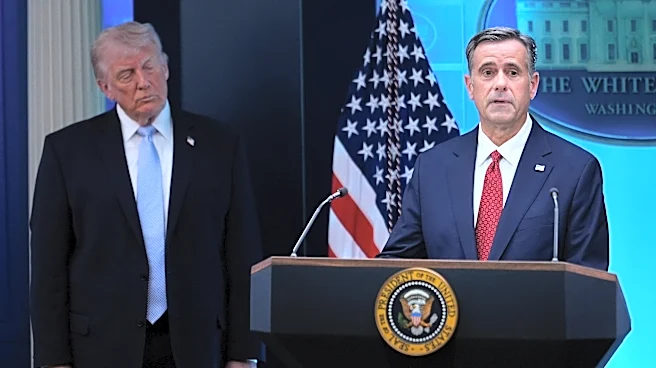
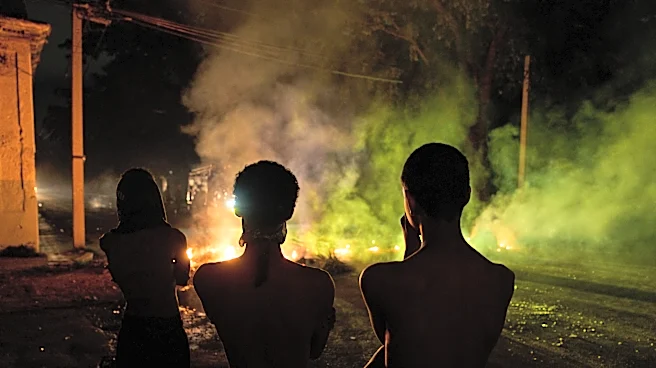
oil reserves have been depleted, pushing the power grid into a 'critical' state. The blockade, initiated by President Trump, aims to pressure the Cuban government by preventing fuel imports. This has led to widespread blackouts, with some areas experiencing up to 20 hours of power loss daily. Protests have erupted in Havana, with citizens demanding the restoration of electricity. The U.S. has offered $100 million in humanitarian aid, contingent on the Cuban government's acceptance.
Why It's Important?
The U.S. blockade on Cuba highlights the geopolitical tensions between the two nations and underscores the humanitarian impact of such policies. The energy crisis in Cuba not only affects daily life but also exacerbates existing shortages of food and medicine. The situation could lead to increased instability in the region, potentially affecting U.S.-Cuba relations further. The U.S. offer of aid, if accepted, could alleviate some of the immediate humanitarian needs but also places the Cuban government in a difficult position politically. The ongoing crisis may influence U.S. foreign policy and humanitarian strategies in the region.
What's Next?
Cuba is actively seeking alternative fuel sources, but rising global oil prices and geopolitical tensions complicate these efforts. The Cuban government may need to negotiate with other countries or organizations to secure energy supplies. The U.S. may continue to use economic pressure as a tool to influence Cuban policy, while international bodies like the United Nations may increase calls for the blockade's end. The outcome of these negotiations and the Cuban government's response to the U.S. aid offer will be critical in determining the future of U.S.-Cuba relations.