



What's Happening?
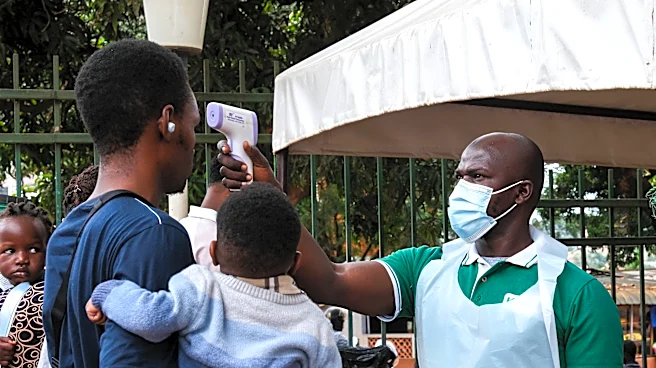
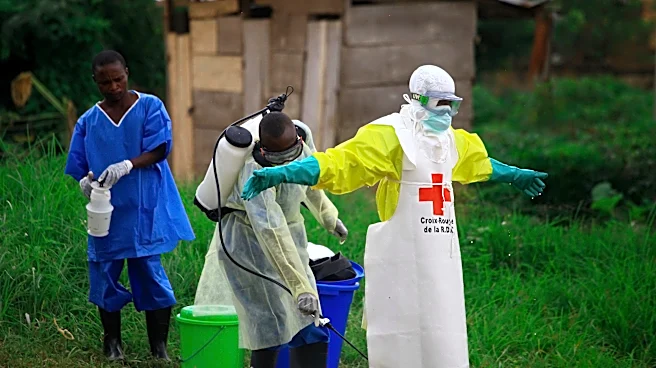
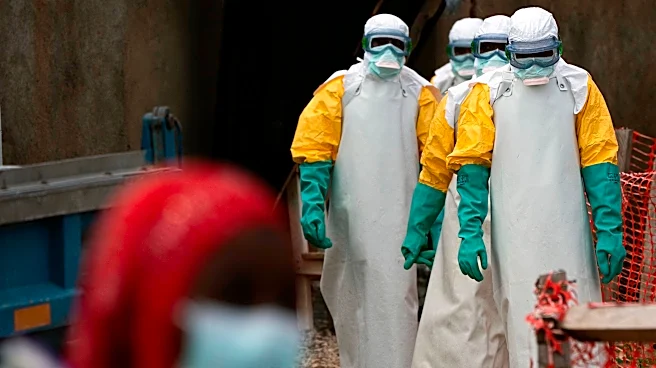
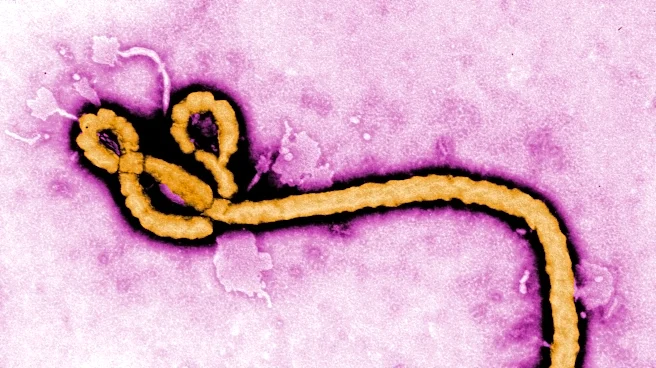
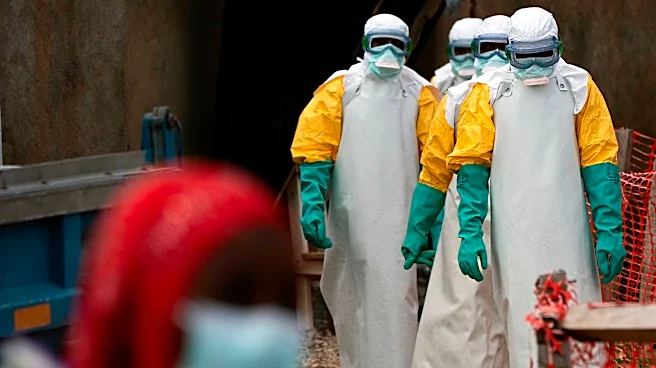
The World Health Organization has declared the Ebola outbreak in the Democratic Republic of Congo and Uganda a 'public health emergency of international concern.' The outbreak involves the Bundibugyo strain, with 246 suspected cases and 80 deaths reported
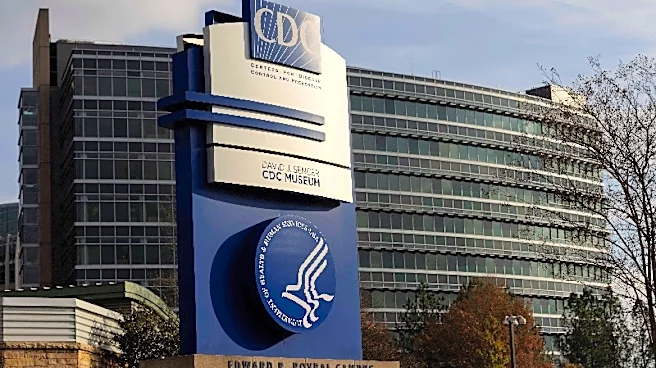
in the DRC's Ituri province. The U.S. Centers for Disease Control and Prevention is closely monitoring the situation and working with the DRC's Ministry of Health. The CDC considers the risk to the American public low but emphasizes the importance of international collaboration in managing the outbreak.
Why It's Important?
The declaration of a public health emergency highlights the global implications of the Ebola outbreak. The lack of a vaccine for the Bundibugyo strain and the potential for international spread underscore the need for coordinated global response efforts. The situation illustrates the importance of maintaining robust international health systems and the potential consequences of reduced funding for global health initiatives. The outbreak serves as a reminder of the interconnectedness of global health and the need for sustained investment in disease prevention and response.
What's Next?
The international community is expected to enhance efforts to contain the outbreak, including deploying additional resources and personnel to affected areas. The U.S. may need to reassess its global health funding priorities to support effective outbreak management. Ongoing monitoring and adaptation of strategies will be crucial to prevent further spread and to develop long-term solutions for managing infectious disease outbreaks.