






What's Happening?
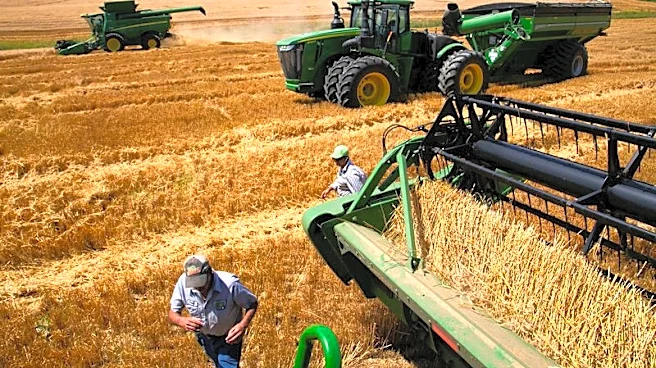
U.S. Senator Jerry Moran (R-Kan.), a member of the Senate Committee on Agriculture, Nutrition and Forestry, has applauded the committee's passage of the Farm Bill. This legislation includes several key priorities aimed at supporting Kansas agriculture.
Among the secured provisions are year-round E-15 sales, which Senator Moran has long advocated for to expand markets for producers and reduce fuel prices. The bill also bolsters the Conservation Reserve Program (CRP) by increasing flexibility for livestock grazing on conservation land, a measure introduced by Senator Moran through the Conservation Reserve Program (CRP) Improvement and Flexibility Act. Furthermore, the Farm Bill increases Farm Service Agency (FSA) loan limits to better reflect current lending conditions and modernizes loan limits to meet the needs of farmers and ranchers. Funding for USDA trade promotion programs is set to double, strengthening the ability of U.S. producers to market their products globally. A significant amendment led by Senator Moran, approved during the markup, permanently transfers the administration of the Food for Peace program to the U.S. Department of Agriculture (USDA). Other initiatives include the Rural Hospital Revitalization Act, introduced by Senator Moran to provide temporary zero percent interest loans for rural healthcare facility construction or renovation, and the Farm to Fly Act, aimed at accelerating sustainable aviation fuel (SAF) production through existing USDA programs. The bill also expands career opportunities in agriculture for veterans through the Colonel Gary LaGrange AgVets Act, establishing a USDA program to provide resources for veterans pursuing agricultural careers. The legislation now moves to the full Senate for consideration.
Why It's Important?
The passage of the Farm Bill by the Senate Agriculture Committee is a critical development for U.S. agriculture, particularly for Kansas. The inclusion of year-round E-15 sales is expected to have a direct economic impact by growing markets for ethanol producers and potentially lowering fuel costs for consumers nationwide. The increased flexibility in the Conservation Reserve Program will benefit livestock producers by allowing more efficient use of conservation lands, balancing environmental goals with agricultural needs. Modernizing Farm Service Agency loan limits is crucial for farmers and ranchers to access necessary capital, reflecting the evolving financial landscape of the agricultural sector. Doubling funding for USDA trade promotion programs will enhance the competitiveness of U.S. agricultural products in international markets, supporting export growth and farmer incomes. The permanent transfer of the Food for Peace program to the USDA aligns its administration with the agency's agricultural focus and expertise, potentially improving the efficiency and effectiveness of humanitarian food aid efforts. The Rural Hospital Revitalization Act addresses a critical need in rural communities by supporting healthcare infrastructure, which is vital for the well-being and economic stability of these areas. The Farm to Fly Act promotes the development of sustainable aviation fuel, creating new markets for American farmers and contributing to environmental sustainability in the aviation sector. Finally, expanding agricultural career opportunities for veterans provides a pathway for former service members to transition into a vital industry, leveraging their skills and contributing to the agricultural workforce.
What's Next?
The Farm Bill, having passed the Senate Agriculture Committee, will now proceed to the full Senate for consideration. A vote in the U.S. Senate is pending, and the House of Representatives has already approved its version of the Farm Bill. The next step will involve reconciling the legislative texts from both the Senate and the House to arrive at a final version of the bill. This reconciliation process will likely involve negotiations between the two chambers to address any differences in their respective versions. Once a unified bill is agreed upon, it will need to be passed by both the Senate and the House before being sent to the President's desk to be signed into law. Senator Moran has expressed his commitment to working with colleagues to ensure the bill reaches the President's desk. The outcome of these legislative steps will determine the final scope and implementation of the various provisions, including those benefiting Kansas agriculture, year-round E-15 sales, conservation programs, farm loan limits, trade promotion, and the Food for Peace program.
Beyond the Headlines
The bipartisan support for certain aspects of the Farm Bill, despite a party-line vote on the overall package in the committee, highlights the complex political dynamics surrounding agricultural policy. Senator Moran's emphasis on bipartisanship within the Senate Agriculture Committee underscores a broader desire to prioritize the needs of farmers and ranchers over partisan divisions. The permanent transfer of the Food for Peace program to the USDA could signify a long-term shift in how the U.S. approaches international food aid, potentially integrating it more closely with agricultural policy and development goals. The focus on sustainable aviation fuel through the Farm to Fly Act reflects a growing recognition of the need for agricultural innovation to address climate change and create new economic opportunities in the bioenergy sector. The inclusion of initiatives like the Rural Hospital Revitalization Act and the Colonel Gary LaGrange AgVets Act demonstrates a holistic approach to supporting rural communities, recognizing that agricultural success is intertwined with access to healthcare and opportunities for veterans. These provisions collectively aim to strengthen the resilience and sustainability of the U.S. agricultural sector and rural America in the face of economic, environmental, and social challenges.