
What's Happening?
Researchers in Sweden have made significant progress in the treatment of type 1 diabetes by developing a method to create insulin-producing cells from human stem cells. This breakthrough, published in Stem
Cell Reports, demonstrates that these lab-grown cells can effectively control blood sugar levels and even reverse diabetes in mice. Type 1 diabetes occurs when the immune system destroys the pancreas's insulin-producing cells, leading to high blood sugar levels. The new method reliably produces high-quality insulin-producing cells from multiple human stem cell lines, potentially paving the way for patient-specific cell therapies that could reduce immune rejection. The cells, when transplanted into diabetic mice, restored the animals' ability to regulate blood sugar over time.
Why It's Important?
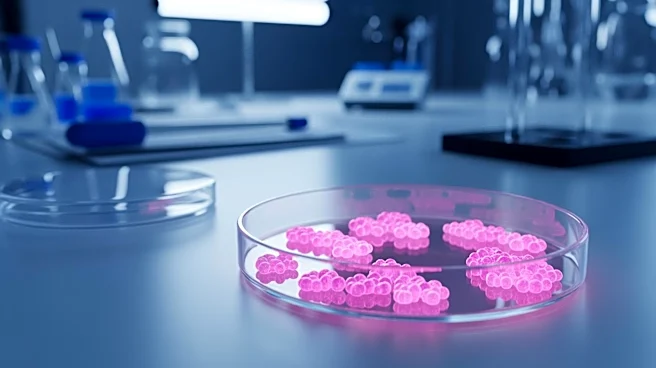
This development is crucial as it addresses long-standing challenges in stem cell therapies for type 1 diabetes, such as the production of unwanted cell types and the immaturity of lab-grown insulin cells. By refining the culture process and allowing cells to form natural three-dimensional clusters, researchers have improved the cells' response to glucose and reduced the number of unwanted cell types. This advancement could lead to more effective treatments for type 1 diabetes, a condition that affects millions worldwide. The potential for patient-specific therapies could also minimize the risk of immune rejection, making treatments safer and more effective.
What's Next?
The researchers plan to work towards clinical translation of their findings, aiming to develop treatments for type 1 diabetes. This involves overcoming remaining challenges in stem cell therapy and ensuring the safety and efficacy of the treatment in humans. The study was a collaboration between Karolinska Institutet and KTH Royal Institute of Technology, with funding from various organizations. Future steps will likely include further refinement of the technique and clinical trials to test the therapy's effectiveness in humans.