
What's Happening?
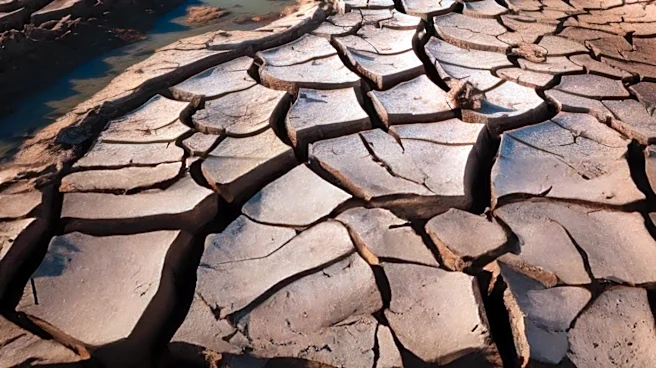
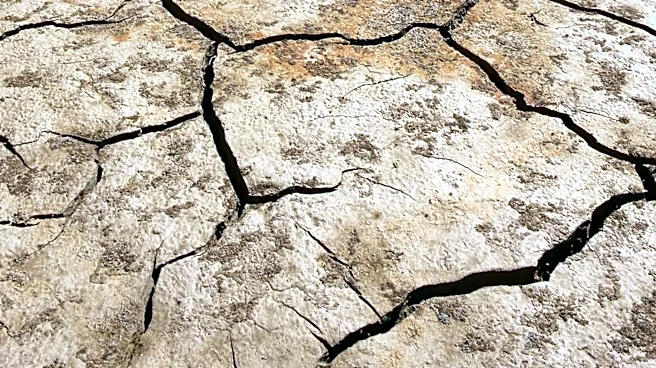
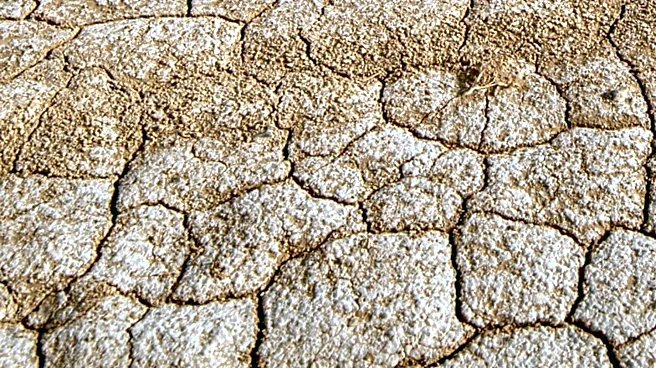
Northern Wisconsin is experiencing severe drought conditions, with counties such as Ashland, Iron, Vilas, Price, and Oneida being the driest. Despite some rain in southern parts of the state, the northern
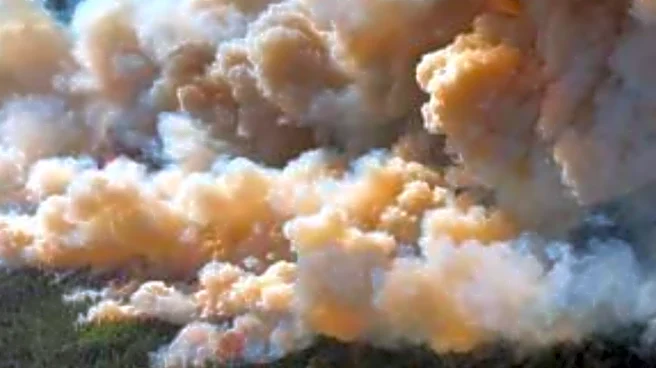
regions have seen little relief. Meteorologist Devin Biggs from Rhinelander expressed concerns about the worsening drought and the potential for increased fire danger. The drought is affecting crop yields, pasture growth, and water usage, with the Department of Natural Resources monitoring fire risks. The situation is exacerbated by a shift in the jet stream and climate changes, contributing to extreme weather patterns.
Why It's Important?
The severe drought in northern Wisconsin poses significant challenges for agriculture, water management, and fire prevention. Farmers may face reduced crop yields and increased costs for irrigation, impacting the local economy and food supply. The drought also raises environmental concerns, as prolonged dry conditions can lead to wildfires and damage to natural habitats. The situation highlights the broader impacts of climate change on regional weather patterns and the need for adaptive strategies in water resource management and agricultural practices.
What's Next?
Without significant rainfall in the forecast, northern Wisconsin may continue to experience worsening drought conditions. State and local authorities will need to monitor the situation closely and implement measures to mitigate the impact on agriculture and prevent wildfires. This may include water conservation efforts, support for affected farmers, and increased fire monitoring and response capabilities. The ongoing drought could also prompt discussions on long-term strategies to address climate change and its effects on regional weather patterns.