





What's Happening?
A recent Climate Change Health Vulnerability and Adaptation Assessment (VAA) report, submitted to Uganda's Ministry of Health in November 2023, indicates that climate change is severely impacting health service delivery across the country. The study,
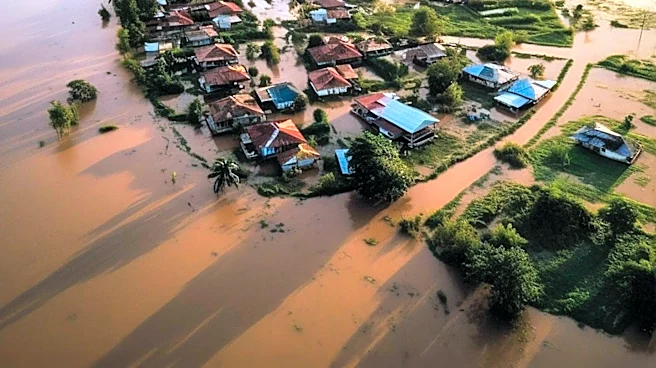
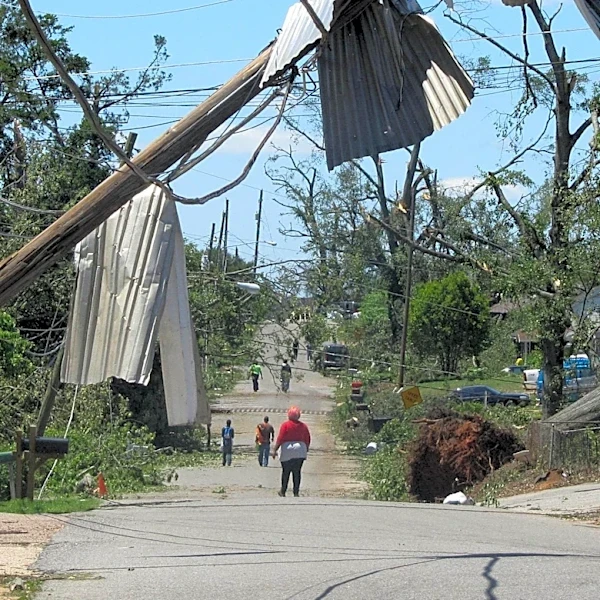
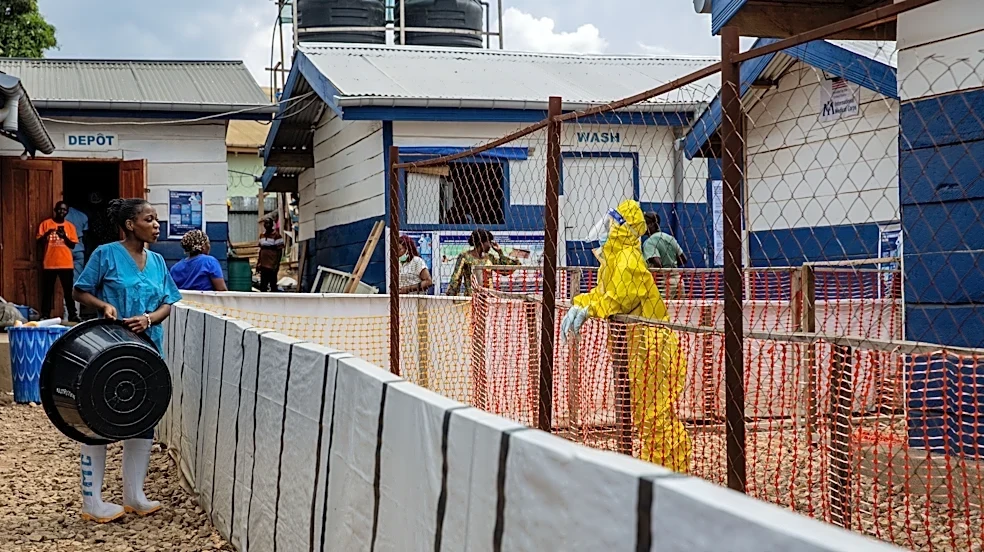
which surveyed 726 health facilities in 43 districts, found that nearly half (47.6%) of these facilities have been exposed to drought, while 39.7% experienced floods and 31.1% storms. These climate-related hazards lead to significant disruptions, including reduced health workforce performance (53.8% during drought), increased demand for healthcare services due to drought-related infectious diseases (64.7%), and delays in service delivery (56.4%). The report highlights that such disruptions compromise the health sector's ability to manage disease outbreaks, particularly as climate change alters the spread of climate-sensitive diseases like malaria, diarrheal diseases, and cholera. Furthermore, 56.8% of facilities reported an increased threat to health workers from infectious diseases linked to water contamination.
Why It's Important?
The findings of the VAA report underscore a critical vulnerability in Uganda's public health infrastructure, demonstrating how climate change directly undermines essential services. The increased prevalence of drought, floods, and storms not only damages physical infrastructure but also strains human resources and supply chains, making it harder for health facilities to respond to routine and emergency health needs. This situation is particularly concerning given the potential for climate change to exacerbate existing health challenges and introduce new ones. The report's emphasis on infectious diseases linked to water contamination and vector-breeding sites points to a broader public health crisis in the making, where basic sanitation and disease control measures become increasingly difficult to maintain. The economic implications are also significant, as the Ministry of Health estimates US$63 million is needed to implement the health adaptation plan, highlighting a substantial financial burden to build resilience.
What's Next?
Following the assessment, Members of Parliament on the Committee on Health and the Parliamentary Forum on Climate Change—Uganda attended an orientation to bolster support for the Health National Adaptation Plan (H-NAP) 2025–2030. This plan aims to guide efforts in strengthening the health sector's preparedness for climate-related risks and ensuring the continuity of essential healthcare services. Key priorities include developing climate-resilient health infrastructure, enhancing workforce preparedness, and establishing early warning systems. Lawmakers have called for specific funding proposals, regular implementation updates, improved coordination across government, and stronger engagement with district authorities to translate the adaptation plan into practical, funded interventions. The Clinton Health Access Initiative (CHAI) is also exploring ways to track climate and health expenditures within domestic budgets to optimize resource allocation and accountability, indicating a multi-faceted approach to addressing these challenges.
Beyond the Headlines
The report's findings extend beyond immediate service disruptions, revealing deeper systemic vulnerabilities within Uganda's healthcare system. The psychological stress reported among health workers due to climate-related hazards points to a looming mental health crisis within the healthcare profession itself, which could further degrade service quality and availability. The interconnectedness of climate change with health outcomes, such as the altered distribution of climate-sensitive diseases, suggests a long-term shift in public health priorities and resource allocation. This situation highlights the urgent need for integrated policy-making that considers climate resilience as a fundamental component of national health security. Without substantial investment in resilient infrastructure, workforce training, and robust early warning systems, Uganda faces a future where climate change could continually undermine its ability to provide basic healthcare, potentially leading to broader humanitarian and economic instability.