




What's Happening?
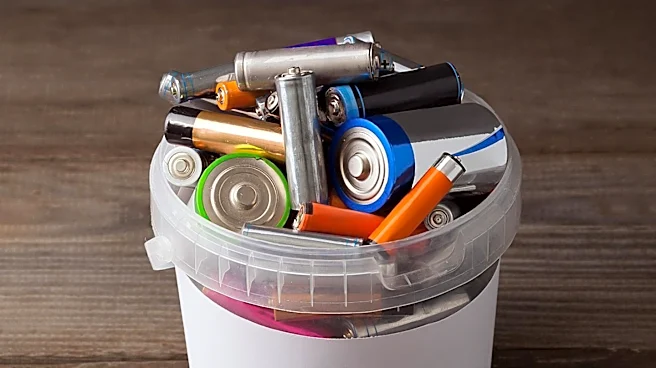
The Solid Waste Authority (SWA) of Palm Beach County is reminding residents to properly dispose of old hurricane supplies as hurricane season approaches on June 1. Items such as gasoline and oil from generators, propane tanks, and all types of lithium
batteries (rechargeable, button, single-use) require special disposal and should not be placed in regular garbage or recycling bins. Residents can drop off these hazardous materials for free at any of the SWA's seven Home Chemical & Recycling Centers located across Palm Beach County. Two of these centers, in West Palm Beach and Western Delray Beach, offer staffed services where gas cans can be emptied and returned, with a limit of 25 gallons per visit. In Fiscal Year 2025, Palm Beach County residents safely disposed of or recycled over 4.8 million pounds of home chemicals, including significant amounts of used oil, batteries, gas cylinders, and fuel.
Why It's Important?
Proper disposal of household hazardous waste, especially items related to hurricane preparedness, is crucial for environmental protection and public safety in Palm Beach County. Incorrect disposal of materials like fuels and batteries can lead to contamination, fires, and other hazards in landfills or recycling facilities. The SWA's initiative helps prevent pollution and ensures that these materials are either recycled or disposed of responsibly, reducing their environmental impact. This effort also highlights the importance of community-wide participation in waste management, particularly in a region prone to hurricanes. By providing accessible disposal centers, the SWA facilitates compliance and promotes a safer, cleaner environment for residents, demonstrating a commitment to sustainable waste practices and resource recovery.
What's Next?
As hurricane season officially begins on June 1, residents are encouraged to finalize their preparations, including the responsible disposal of any outdated or hazardous hurricane supplies. The SWA will continue to operate its Home Chemical & Recycling Centers, providing ongoing opportunities for residents to safely discard these materials. The authority also advises residents to incorporate year-round tree trimming into their hurricane preparedness plans to minimize property damage and aid in post-storm recovery. Commercial entities are reminded that they must follow specific guidelines for hazardous waste disposal and should contact the SWA for more information. The SWA will likely continue its public awareness campaigns to educate residents on proper waste management practices, especially concerning hurricane-related waste.
Beyond the Headlines
The SWA's guidance on hurricane supply disposal underscores a broader challenge in waste management: the increasing complexity of household waste streams due to technological advancements and specialized products. Lithium batteries, for instance, are prevalent in modern electronics and pose significant fire risks if not disposed of correctly. This initiative reflects a proactive approach to managing these evolving waste challenges, moving beyond traditional waste collection to specialized hazardous waste programs. It also highlights the critical role of local government agencies in fostering environmental stewardship and public safety, particularly in regions vulnerable to natural disasters. The success of such programs relies heavily on public education and accessible infrastructure, transforming individual disposal habits into collective environmental benefits.