








What's Happening?
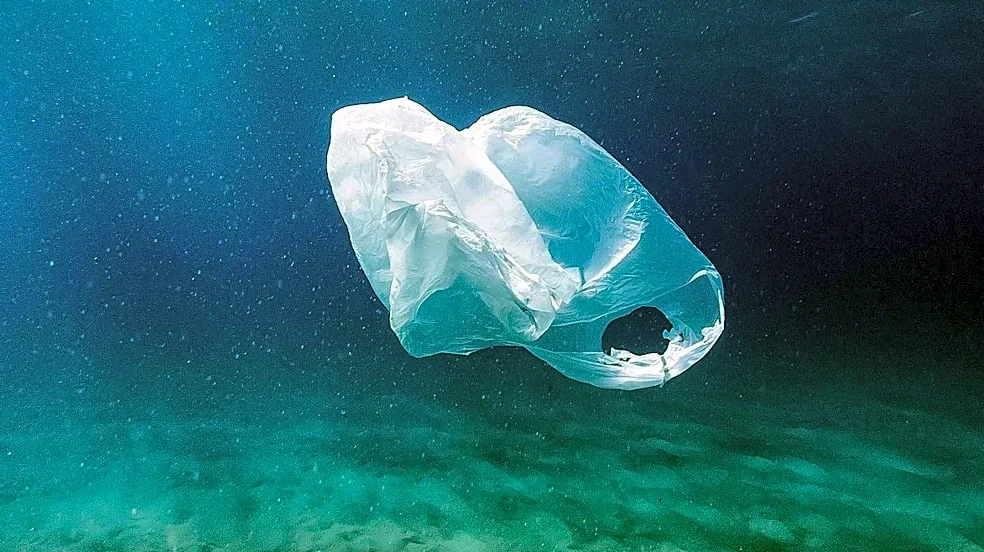
Illinois has become the first state in the Great Lakes and Mississippi River watersheds to officially designate industrial plastic pellets, known as nurdles, as pollution. This new regulation requires companies that manufacture, use, or transport nurdles to report
spills and develop plans to limit their presence in storm runoff. Nurdles are a growing source of contamination in these vital waterways. The Chicago Tribune has been investigating the broader issue of plastic pollution in the Great Lakes, highlighting that microplastics, tiny bits of plastic no larger than a grain of rice, are prevalent in the drinking water of over 40 million people in the U.S. and Canada who rely on the Great Lakes. These microplastics are linked to toxic chemicals that can cause cancer and other diseases. The investigation also found that industry executives often blame consumers for plastic pollution and downplay the dangers, while manufacturers plan to significantly increase plastic production.
Why It's Important?
Illinois's new law is a significant step in addressing plastic pollution, particularly microplastics, which pose serious health risks and environmental damage. By officially designating nurdles as pollution, the state creates a legal framework for accountability and prevention, potentially reducing the influx of these harmful particles into critical water sources. This action could set a precedent for other states in the Great Lakes region and beyond, encouraging broader regulatory efforts. The widespread presence of microplastics in drinking water and fish, as highlighted by the Chicago Tribune's investigation, underscores a major public health concern, affecting communities and ecosystems. The industry's plans for increased plastic production, coupled with its downplaying of dangers, indicate a growing conflict between economic interests and environmental protection, making regulatory interventions like Illinois's law crucial.
What's Next?
Following Illinois's new regulation, companies handling nurdles will be required to implement reporting mechanisms for spills and develop strategies to prevent their release into storm runoff. This will likely involve changes in industrial practices, infrastructure improvements, and increased oversight. Other states in the Great Lakes and Mississippi River watersheds may consider similar legislation, potentially leading to a more coordinated regional approach to plastic pollution. Research into the health impacts of microplastics will continue, with scientists exploring links to various diseases. Activists and environmental groups will likely continue to advocate for stricter regulations on plastic production and waste management, pushing for a shift towards more sustainable alternatives and greater corporate responsibility. The Chicago Tribune's ongoing series will continue to shed light on this critical issue.
Beyond the Headlines
The issue of plastic pollution, particularly microplastics, extends beyond immediate environmental concerns to encompass ethical, economic, and social dimensions. The industry's alleged tactics of blaming consumers and downplaying risks raise questions about corporate ethics and transparency. The presence of microplastics in the food chain and drinking water highlights a systemic problem that requires a fundamental reevaluation of how plastics are produced, used, and disposed of. This situation also has environmental justice implications, as vulnerable communities may disproportionately bear the burden of pollution. The long-term societal impact includes potential increases in chronic diseases and a degradation of natural resources. Addressing this challenge necessitates a comprehensive approach involving policy changes, technological innovation, consumer education, and a shift towards a circular economy model to mitigate the pervasive and persistent threat of plastic pollution.