







What's Happening?
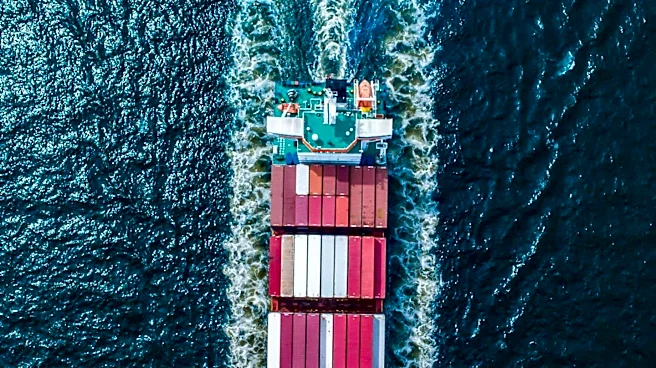
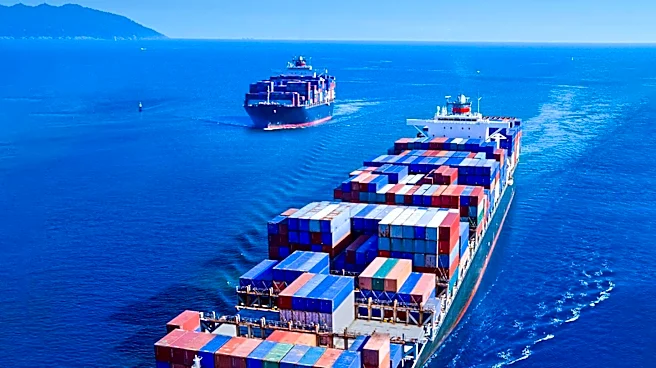
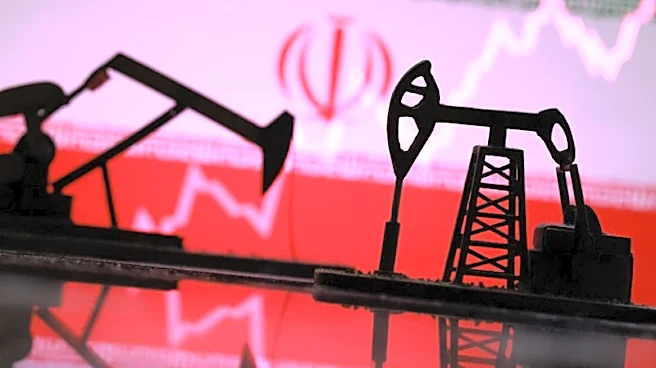
Marine insurers are witnessing a decline in demand for coverage of ships transiting the Strait of Hormuz as tensions between the US and Iran escalate. The breakdown of a ceasefire has led to increased caution among shipowners, with some reconsidering
their plans to transit the strait. Insurance premiums have risen, reflecting the heightened risk, with rates now between 2% and 6% of a vessel's value. The situation has created uncertainty in the shipping industry, with some vessels turning off tracking transponders to avoid detection.
Why It's Important?
The Strait of Hormuz is a critical passage for global oil and gas shipments, and disruptions can have far-reaching economic impacts. The increased insurance costs and reduced demand for coverage highlight the financial risks associated with geopolitical tensions. The situation underscores the vulnerability of global supply chains to regional conflicts and the importance of stable international relations for economic stability.
What's Next?
The insurance industry may continue to adjust premiums and coverage terms in response to ongoing developments. Shipowners and operators will need to assess the risks of transiting the strait and consider alternative routes or strategies. The international community may seek diplomatic solutions to reduce tensions and ensure the safe passage of vessels through this vital waterway.