







What's Happening?
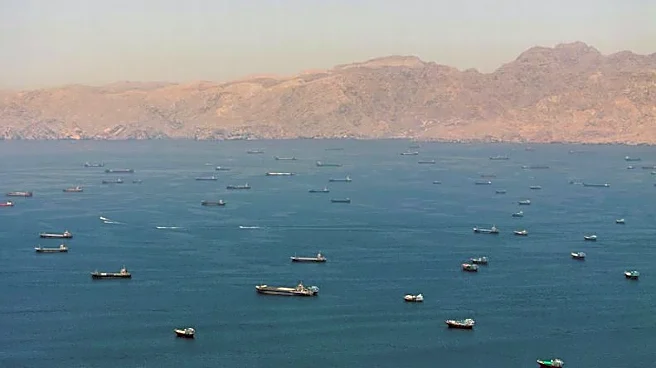
Amid ongoing peace talks, the U.S. and Iran have reportedly exchanged strikes, complicating efforts to reach a long-term agreement. A tentative memorandum of understanding for a 60-day ceasefire and the reopening of the Strait of Hormuz has been reached,
pending approval from President Trump and Iranian leadership. The situation remains tense as both sides navigate the complexities of the ceasefire and broader negotiations.
Why It's Important?
The exchange of strikes highlights the fragile nature of the ceasefire and the challenges in achieving a lasting peace agreement. The Strait of Hormuz is a critical chokepoint for global oil supplies, and any disruption could have significant economic implications. The negotiations also touch on Iran's nuclear program, a critical issue for regional and global security. Successful talks could lead to reduced tensions and a more stable Middle East, while failure could escalate conflicts and impact global markets.
What's Next?
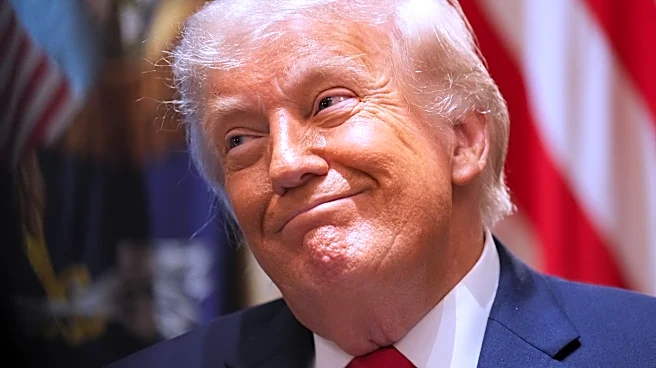
Both the U.S. and Iran must decide on the tentative agreement's terms, with President Trump's approval being a crucial next step. If the ceasefire is extended, it could pave the way for more comprehensive negotiations on nuclear issues and regional security. The international community will be watching closely, as the outcome could influence diplomatic relations and economic stability in the region.