



What's Happening?
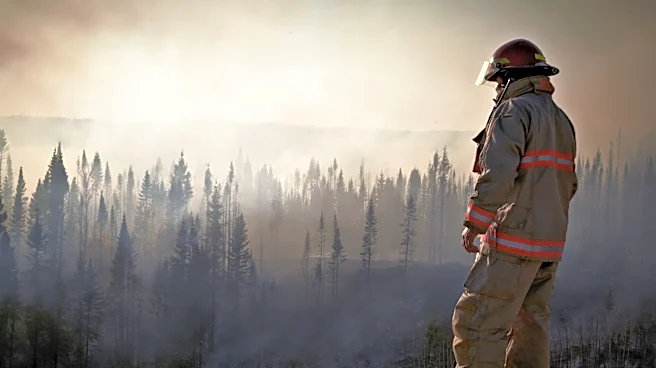
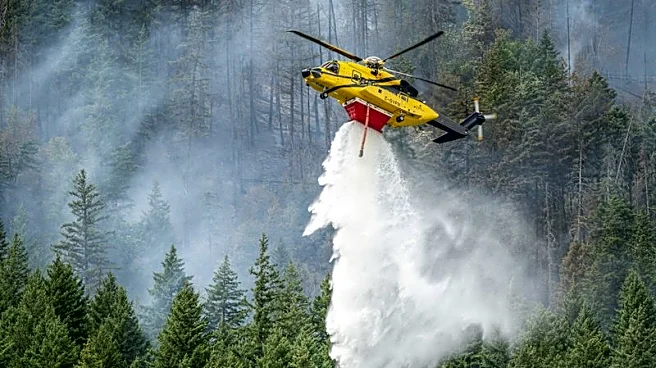
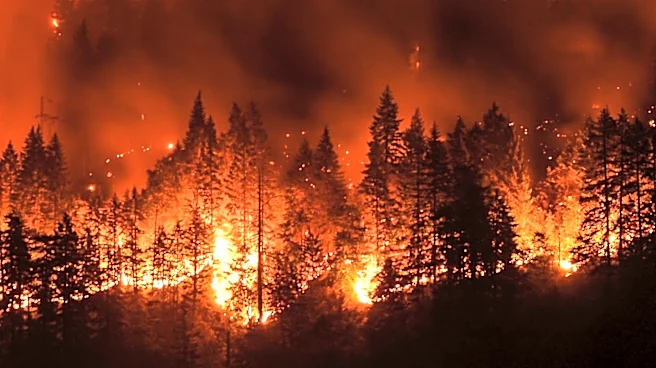
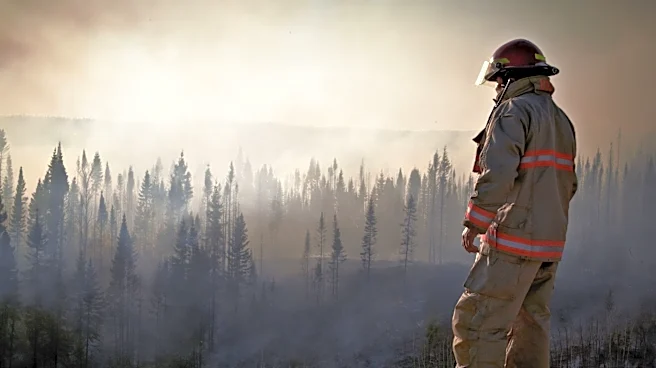
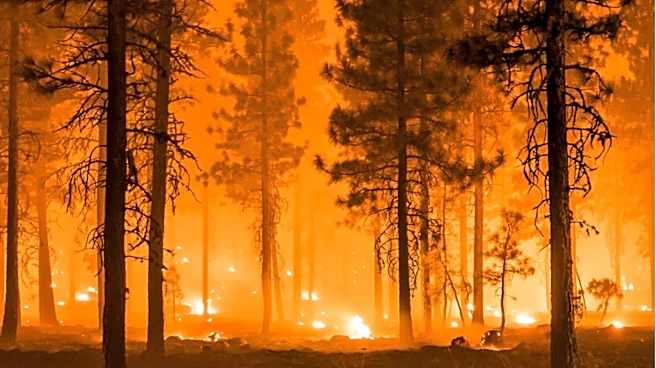
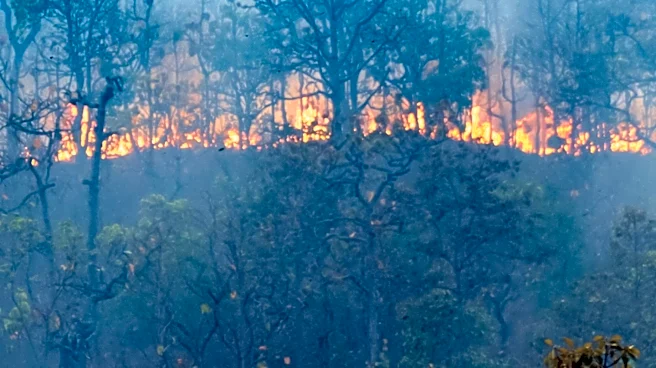
Smoke from wildfires in Ontario, Canada, is moving eastward, affecting air quality in parts of the U.S. Midwest and Northeast. The fires, which intensified by the end of June 2026, have resulted in nearly 850 active blazes across Canada, with over 180
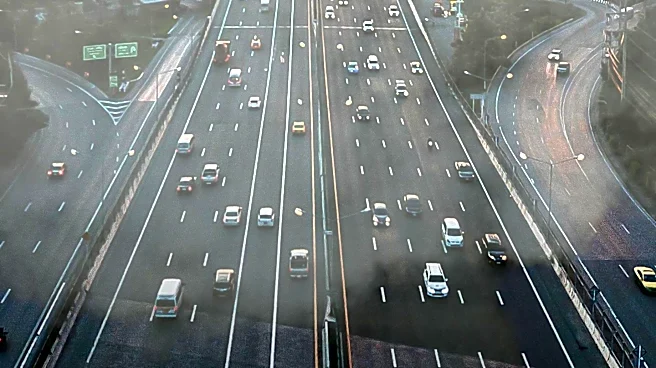
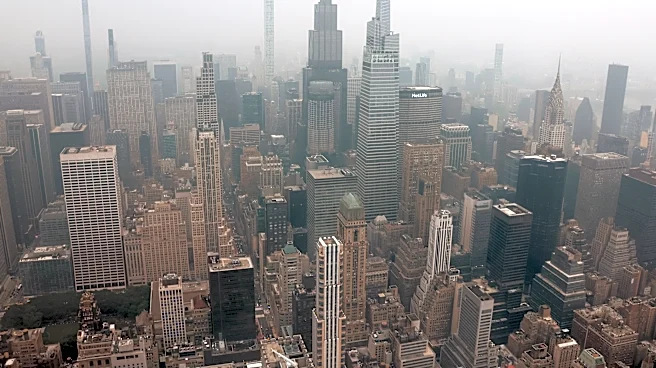
in Ontario alone. The NOAA-21 satellite captured images on July 14, 2026, showing smoke spreading southeast over southern Ontario, Quebec, and into the U.S. The smoke has tinted skies gray and yellow, and turned the Sun orange in many areas. Air quality impacts vary, with Toronto experiencing unhealthy levels. The fires have also led to evacuation orders in Northwestern Ontario. As of mid-July, fires have burned 1.9 million hectares in Canada, a figure below the extreme fire years of 2023 and 2025.
Why It's Important?
The movement of wildfire smoke into the U.S. highlights the transboundary nature of environmental issues, affecting air quality and public health across regions. Poor air quality can exacerbate respiratory conditions and pose health risks, particularly for vulnerable populations. The situation underscores the need for cross-border cooperation in managing and mitigating the impacts of wildfires. Additionally, the fires contribute to discussions on climate change and its role in increasing the frequency and intensity of such events. The economic implications are significant, as affected areas may see disruptions in outdoor activities and increased healthcare costs.
What's Next?
The progression of the fire season remains uncertain, with a seasonal outlook indicating varying fire conditions through September. Authorities in both Canada and the U.S. will likely continue monitoring air quality and issuing health advisories as needed. Evacuation efforts and firefighting operations in affected areas will persist, with potential for further community impacts. The situation may prompt policy discussions on climate resilience and emergency preparedness, as well as international collaboration on environmental challenges.