






What's Happening?
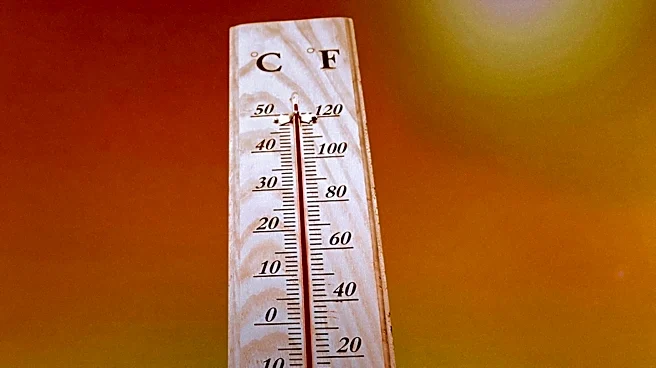
Southern California is experiencing an extreme heat wave, with temperatures expected to reach between 90 to 110 degrees Fahrenheit in inland areas. The National Weather Service has issued an extreme heat warning, highlighting the risks to vulnerable populations.
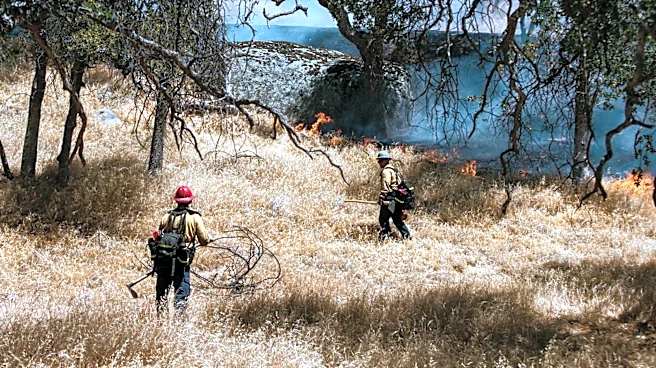
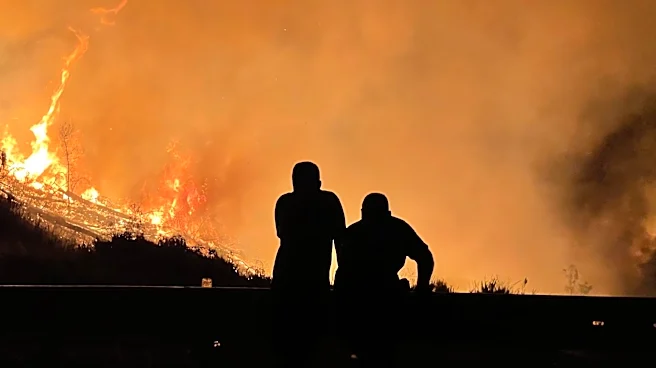
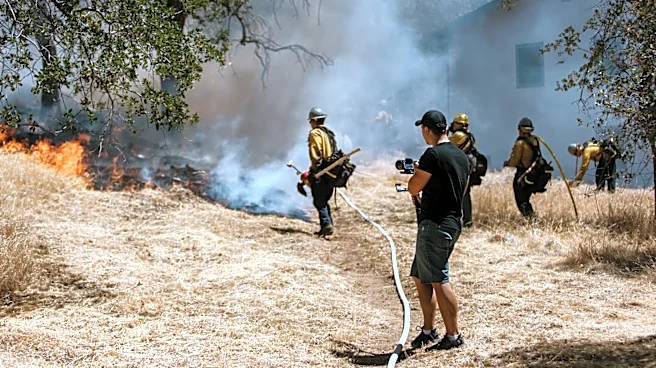
The heat wave is expected to last until Thursday evening, with the highest temperatures anticipated in the San Fernando Valley and Antelope Valley. The heat is exacerbating fire risks, with several wildfires already reported in the region. Residents are advised to stay hydrated, wear light clothing, and check on vulnerable neighbors. The heat wave is also expected to strain local infrastructure and emergency services.
Why It's Important?
The extreme heat poses significant health risks, particularly for the elderly, children, and those without access to air conditioning. Heat-related illnesses, such as heat exhaustion and heatstroke, are a major concern, and public health officials are urging residents to take precautions. The heat wave also increases the risk of wildfires, which can cause widespread damage and displacement. The situation underscores the broader challenges posed by climate change, as extreme weather events become more frequent and severe. The heat wave's impact on public health, safety, and infrastructure highlights the need for adaptive measures and emergency preparedness.
What's Next?
As temperatures are expected to remain high until the end of the week, local authorities are likely to continue issuing advisories and providing resources to help residents cope with the heat. Emergency services may face increased demand, and efforts to contain wildfires will be ongoing. In the longer term, the region may need to invest in infrastructure improvements and community programs to better prepare for future heat waves. Policymakers may also consider strategies to address the root causes of climate change and reduce the frequency of such extreme weather events.