






What's Happening?
The Supreme Court is in the final phase of its term, preparing to deliver opinions on significant cases that could impact democracy, civil liberties, and the definition of American citizenship. These cases include disputes over birthright citizenship,
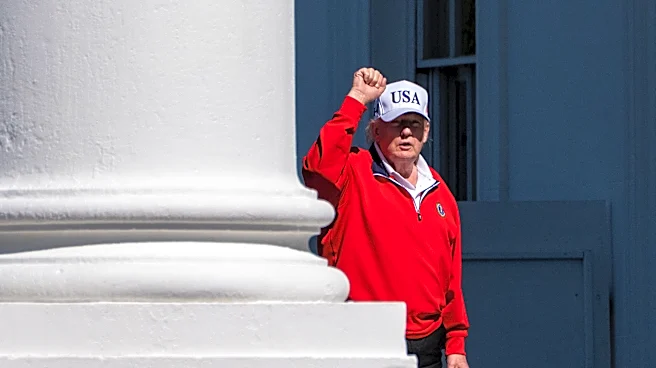
voting rights, immigration, and executive authority. The court's decisions will test President Trump's efforts to expand executive power, potentially challenging the separation of powers. Historically, the court has supported Trump's administration in defying lower court orders, raising concerns about the balance of power. The conservative justices have often aligned with Trump's expansive view of executive power, issuing shadow docket orders that facilitate his agenda.
Why It's Important?
The outcomes of these cases could redefine the scope of executive power in the U.S., affecting how future administrations operate. If the court continues to support Trump's executive actions, it could set a precedent for increased presidential authority, potentially undermining checks and balances. This shift could impact various sectors, including immigration and civil rights, altering the legal landscape for years to come. The decisions will also reflect on the court's role in maintaining judicial independence and its ability to act as a check on executive overreach.
What's Next?
As the court prepares to issue its rulings, stakeholders across the political spectrum are poised to respond. Political leaders, civil rights organizations, and legal experts will closely analyze the decisions, which could prompt legislative or judicial challenges. The court's stance on executive power will likely influence future policy debates and legal interpretations, shaping the political and legal environment in the U.S.