






What's Happening?
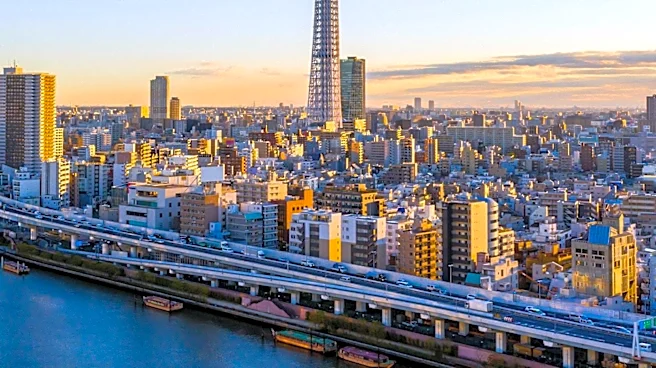
Tokyo, Japan, presents a unique blend of traditional heritage and modern innovation, making it a significant global travel destination. The city is characterized by its impressive skyline, vibrant districts like Shibuya Crossing and Shinjuku, and iconic
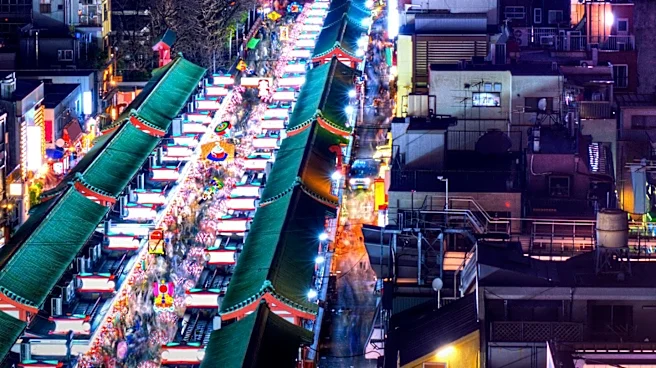
structures such as the Tokyo Skytree, which offers panoramic views. Despite its modern facade, Tokyo maintains deep cultural roots, evident in historical sites like Senso-ji Temple in Asakusa and the serene Meiji Shrine. The city is also a renowned hub for fashion, shopping, and pop culture, with areas like Ginza known for luxury boutiques, Harajuku for street fashion, and Akihabara for anime, manga, and electronics. Additionally, Tokyo is celebrated for its culinary scene, offering a wide array of Japanese cuisine from authentic sushi and ramen to street food and traditional matcha desserts. The city's natural beauty is showcased through its parks and seasonal scenery, including the cherry blossoms in Ueno Park and Shinjuku Gyoen during spring. Tokyo's efficient public transportation system, including extensive train and subway networks, further enhances its appeal as a world-class travel experience.
Why It's Important?
Tokyo's status as a global center for culture, technology, and tourism has significant implications for international travel and cultural exchange. Its ability to seamlessly integrate ancient traditions with cutting-edge modernity provides a model for urban development and cultural preservation. The city's diverse offerings, from high-tech entertainment to historical temples, attract a broad spectrum of international visitors, contributing to its robust tourism economy. This influx of tourists supports various industries, including hospitality, retail, and transportation, and fosters cross-cultural understanding. The city's influence in fashion, pop culture, and culinary arts also sets global trends, impacting consumer preferences and cultural landscapes worldwide. Tokyo's efficient infrastructure and commitment to cleanliness further enhance its reputation as a leading global city, influencing urban planning and public services in other major metropolitan areas.
What's Next?
Tokyo is expected to continue its trajectory as a premier global destination, with ongoing efforts to enhance its tourism infrastructure and cultural offerings. Future developments may focus on sustainable tourism practices to manage the increasing number of visitors while preserving the city's unique character. There will likely be continued innovation in technology and urban planning, further solidifying Tokyo's reputation as a futuristic metropolis. The city will also likely continue to host major international events, drawing global attention and further boosting its economy. Efforts to promote lesser-known cultural sites and regional attractions within and around Tokyo could also be a focus, encouraging visitors to explore beyond the main tourist hubs. Additionally, the culinary scene is anticipated to evolve, with new gastronomic experiences emerging alongside the preservation of traditional Japanese cuisine.
Beyond the Headlines
Beyond its immediate appeal as a tourist destination, Tokyo represents a fascinating case study in cultural resilience and adaptation. The city's ability to maintain its traditional identity amidst rapid modernization highlights a unique approach to progress. This balance between old and new offers valuable lessons in urban development, demonstrating how a city can embrace technological advancement without sacrificing its historical and cultural roots. The emphasis on efficiency, cleanliness, and public order in Tokyo also reflects deeper societal values that contribute to its high quality of life and visitor experience. Furthermore, Tokyo's role as a global trendsetter in fashion, technology, and pop culture underscores the soft power of cultural influence, shaping global tastes and preferences. The city's diverse culinary landscape also speaks to a profound respect for food as an art form and a central component of cultural identity.