




What's Happening?
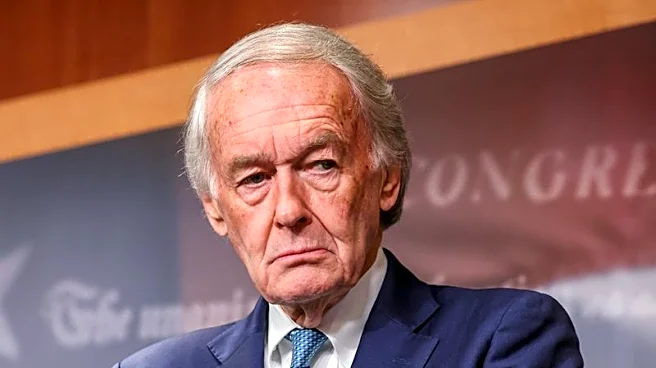
Defense Secretary Pete Hegseth's efforts to censure and demote Senator Mark Kelly have encountered significant legal challenges. A federal appeals court panel appears poised to uphold a previous ruling that blocked Hegseth's attempts to punish Kelly over
a video in which he discussed the refusal to follow illegal orders. The case has drawn attention due to its implications for First Amendment rights, particularly concerning retired military personnel. The court's skepticism towards Hegseth's arguments suggests a potential reaffirmation of the February decision by District Judge Richard Leon, which emphasized the importance of protecting the liberties of retired servicemembers.
Why It's Important?
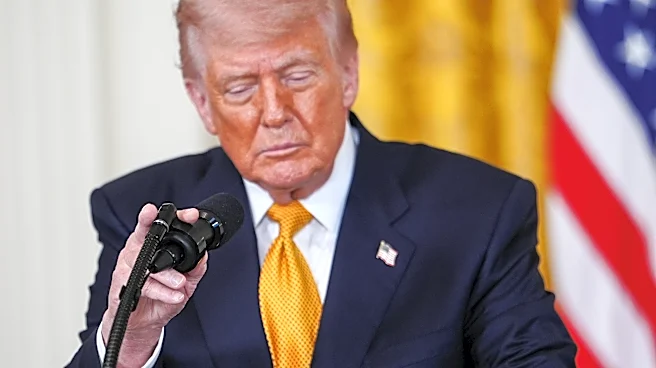
This legal battle underscores the tension between military discipline and free speech rights, particularly for retired service members who continue to engage in public discourse. The outcome of this case could set a precedent for how the military handles similar situations in the future, potentially affecting the balance between maintaining order and respecting individual rights. The case also highlights the broader political dynamics, as it involves high-profile figures like President Trump, who has publicly criticized Kelly. The decision could influence how military and civilian leaders navigate the complex interplay of authority, accountability, and freedom of expression.
What's Next?
If the appeals court upholds the ruling, it could embolden other retired military personnel to speak out on controversial issues without fear of retribution. Conversely, if Hegseth's appeal is successful, it might lead to stricter controls on the speech of retired service members. The case may also prompt legislative or policy reviews regarding the rights of veterans and the scope of military discipline. Stakeholders, including veterans' advocacy groups and civil liberties organizations, are likely to monitor the situation closely, potentially influencing future legal and policy developments.