
What's Happening?
U.S. Representative Doris Matsui, representing California's 7th District since 2005, recently utilized her social media platform to discuss several key policy issues. On August 17, 2026, Matsui criticized the cancellation of federal investments in clean
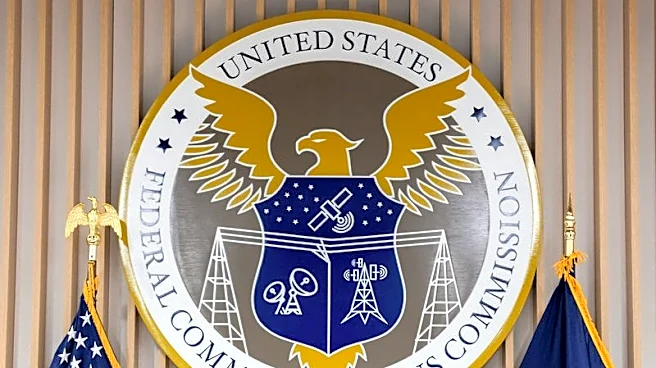
energy, grid modernization, and energy infrastructure, asserting that these investments would have reduced costs, created jobs, and fostered a cleaner energy future for Sacramento. She specifically mentioned OMB Director Russ Vought targeting Democratic states in this context. The following day, August 18, Matsui highlighted her bipartisan Nurse Overtime and Patient Safety Act, which aims to establish nationwide protections for nurses to ensure they can provide high-quality care without being pushed beyond safe limits. On August 19, she voiced concerns regarding the Federal Communications Commission (FCC), accusing FCC Chairman Carr of corrupting the agency's function and attacking the First Amendment. Matsui commended ABC for challenging the FCC's actions, stating the agency had abandoned its responsibilities.
Why It's Important?
Rep. Matsui's statements underscore critical policy debates with significant implications for U.S. citizens. Her critique of canceled clean energy investments highlights ongoing tensions between federal and state priorities, particularly concerning environmental policy and economic development. Such cancellations could impact job creation, energy costs, and the pace of transition to renewable energy sources, affecting both the economy and public health in regions like Sacramento. The promotion of the Nurse Overtime and Patient Safety Act addresses a vital issue within the healthcare sector, aiming to improve patient care quality and protect healthcare workers from burnout. This legislation could set a precedent for national standards in nurse working conditions, potentially influencing healthcare costs and accessibility. Furthermore, her comments on the FCC raise concerns about regulatory oversight and First Amendment rights, which are fundamental to media freedom and public discourse in the United States. The outcome of these debates could shape future energy policy, healthcare standards, and the regulatory landscape for communications.
What's Next?
The issues raised by Rep. Matsui are likely to remain central to legislative discussions and public debate. Regarding clean energy investments, future congressional sessions may see renewed efforts to secure funding for grid modernization and renewable energy projects, potentially leading to new legislative proposals or amendments to existing energy policies. The bipartisan Nurse Overtime and Patient Safety Act will continue its journey through the legislative process, with potential for committee hearings, floor votes, and further amendments. Its progress will depend on bipartisan support and advocacy from healthcare organizations. Matsui's concerns about the FCC could prompt further scrutiny of the agency's leadership and policies, potentially leading to congressional hearings or calls for investigations into its regulatory practices. Broadcasters and civil society groups may continue to challenge FCC decisions, potentially through legal avenues or public campaigns, influencing the future direction of media regulation and free speech protections.
Beyond the Headlines
The policy discussions initiated by Rep. Matsui touch upon deeper societal and ethical considerations. The debate over clean energy funding reflects a broader national struggle to balance economic growth with environmental sustainability, highlighting the long-term implications of energy choices on climate change and future generations. The Nurse Overtime and Patient Safety Act speaks to the ethical imperative of protecting essential workers and ensuring the quality of public health services. It also brings to light the systemic pressures within the healthcare industry that can compromise both worker well-being and patient safety. Matsui's criticism of the FCC's actions raises fundamental questions about the role of government agencies in regulating speech and the potential for political influence to undermine democratic principles. These issues are not merely legislative but also cultural, shaping public trust in institutions and the foundational values of American society.