
What's Happening?
Environmental activists in Santa Cruz County, Arizona, are raising alarms over severe perfluoroalkyl and polyfluoroalkyl substances (PFAS) contamination and the potential exacerbation of this issue by
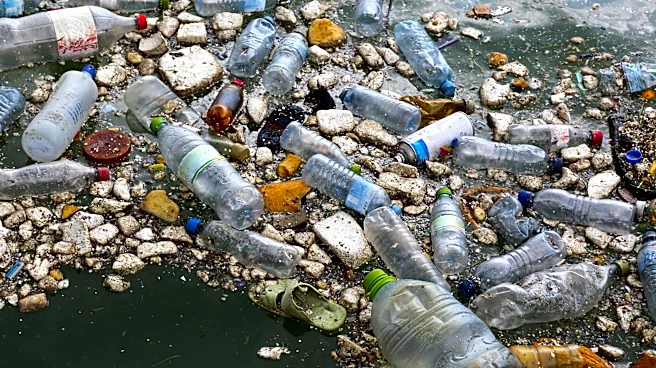
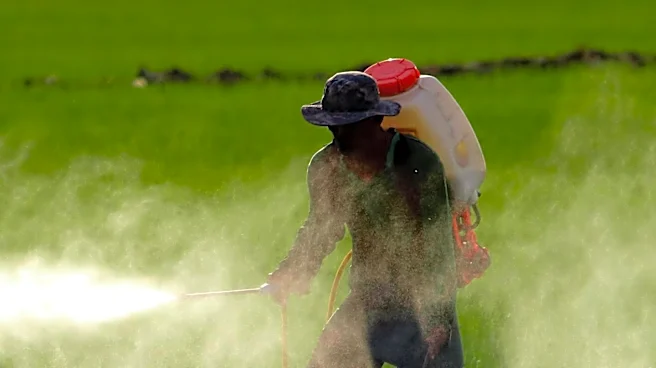
a new heavy metals mine. The county, with approximately 50,000 residents, ranks first in Arizona and tenth nationally for PFAS contamination, with at least 44% of public drinking water systems having unacceptable levels. Robin Lucky, president of the Calabasas Alliance, highlights the Nogales Wash as a significant source of pollution, carrying PFAS and other waste from Mexico. Critics fear that South32's Hermosa mine, fast-tracked under new 'critical mining' rules, will release additional toxic metals like arsenic, zinc, and manganese, further endangering public health and the environment. State Attorney General Kris Mayes has considered legal action, describing the situation as a public nuisance and a threat to health and safety. South32, which plans to begin operations in late 2027, has funded a University of Arizona health impact assessment, but activists doubt its comprehensiveness.
Why It's Important?
This situation underscores a critical environmental and public health crisis in a U.S. border region, highlighting the challenges of cross-border pollution and the impact of industrial development on vulnerable communities. The high levels of PFAS, known as 'forever chemicals' due to their persistence and links to serious health issues like cancer and autoimmune diseases, pose a direct threat to residents. The debate between economic development, promised by the mine with millions in revenue, and environmental health is central. Smaller communities like Nogales lack the resources of larger cities to implement advanced water treatment, creating a 'tale of two cities' in addressing contamination. The legal and regulatory complexities, including the U.S. Constitution's bar on Arizona adopting stricter environmental regulations than federal standards and the lack of funding for comprehensive PFAS testing by cross-border agencies, further complicate efforts to mitigate the crisis.
What's Next?
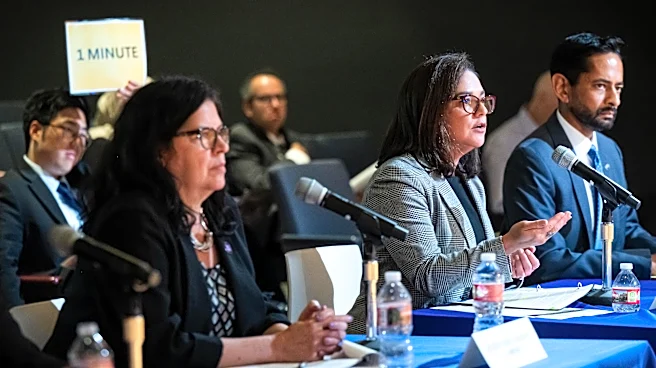
The South32 Hermosa mine is slated to begin operations in late 2027, intensifying the need for monitoring and action. The University of Arizona's health impact assessment, funded by South32, will be a key document, though its impartiality is questioned by critics. State Attorney General Kris Mayes may pursue legal action, and the Center for Biological Diversity has already sued federal regulators under the Endangered Species Act. Activist groups like the Calabasas Alliance will continue to collect data and pressure government officials. The issue of funding for the Arizona Department of Environmental Quality (ADEQ) for comprehensive PFAS review remains critical, with hopes for increased funding under a new legislative composition. Additionally, ongoing legal battles and settlements from companies like DuPont and Raytheon could set precedents for future accountability and remediation efforts.
Beyond the Headlines
The situation in Santa Cruz County reveals deeper implications regarding environmental justice, transboundary pollution, and regulatory loopholes. The flow of contaminants from American-owned factories in Mexico into the U.S. via the Nogales Wash highlights the interconnectedness of environmental issues across national borders and the inadequacy of current international agreements to address them effectively. The fast-tracking of the Hermosa mine under 'critical mining' rules raises questions about the balance between national resource priorities and local environmental protection. The lack of public awareness about PFAS and the perceived 'craziness' of activists like Robin Lucky point to a broader societal challenge in communicating complex environmental risks and mobilizing collective action. This case also exposes the vulnerability of economically disadvantaged communities, which often bear a disproportionate burden of environmental pollution and lack the political and financial capital to fight back effectively.