






What's Happening?
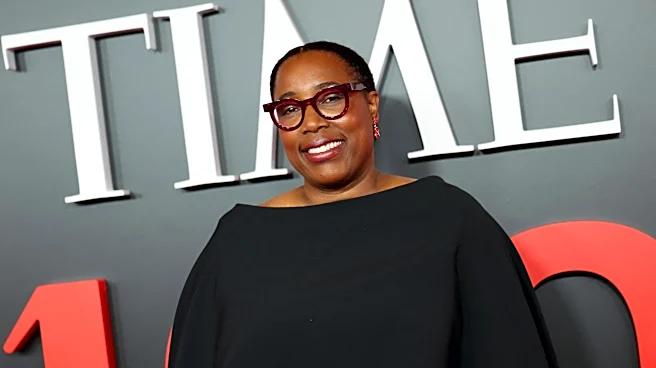
Clarence Page, writing for the Tribune Content Agency, discusses journalist Nikole Hannah-Jones's recent essay detailing her family's decision to enroll their daughter, Najya, in a local public school in Brooklyn, adjacent to a public housing development.
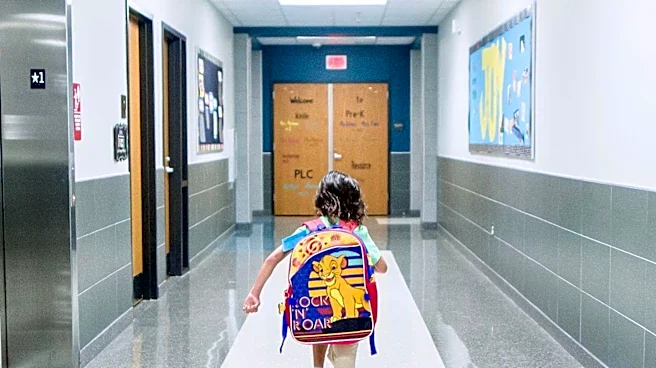
This choice, made ten years ago with her husband Faraji Hannah-Jones, aimed to challenge New York City's "separate and unequal school system." Hannah-Jones, known for 'The 1619 Project,' initially sought to make educational decisions based on the collective good, believing that most Black students still faced inadequate schooling despite civil rights advancements. However, the family recently reversed this decision, moving Najya to a private school after Najya, now 16, expressed dissatisfaction with her public school education. Najya discovered through online research that her school ranked dismally low, leading her to question her future academic success and confront her parents about their choice. Hannah-Jones acknowledged her daughter's feelings, admitting, "I feel like you got cheated... And I’m sorry for that."
Why It's Important?
This personal account from a prominent journalist like Nikole Hannah-Jones highlights the persistent challenges within the U.S. public education system, particularly concerning equity and quality for minority students. Her experience underscores the difficult choices many parents face when balancing ideals of collective good with the individual needs of their children. The narrative brings to light systemic issues such as inadequate staffing, lack of supervision, and a perceived "callous disregard" from educators, which Hannah-Jones attributes to the student body being "mostly low-income Black children." This situation can lead to significant educational malpractice, as evidenced by Najya's uncorrected homework and unassessed reading levels. The story resonates with countless parents in troubled school systems across the nation, particularly in large urban areas, who often struggle with similar problems and the difficult decision of whether to remain in public schools or seek private alternatives.
What's Next?
The essay by Nikole Hannah-Jones is expected to continue to fuel discussions and debates surrounding public education reform, school choice, and educational equity in the United States. Her candid reflection may prompt other parents and educators to re-evaluate their approaches and advocate for systemic changes. While the Hannah-Jones family has made their decision, the broader implications for public policy and community engagement remain. Stakeholders, including school administrators, parent-teacher associations, and civil rights organizations, may use this narrative to push for increased accountability, better resource allocation, and more equitable educational opportunities for all students. The story also serves as a powerful reminder for policymakers to address the disparities that continue to plague many public school districts, particularly those serving marginalized communities.
Beyond the Headlines
Beyond the immediate decision to transfer schools, Hannah-Jones's experience delves into the ethical and societal dilemmas faced by parents committed to social justice. Her initial choice to enroll Najya in a public school was a conscious effort to contribute to the collective good, reflecting a broader obligation to society. However, the eventual reversal highlights the tension between these ideals and the practical realities of ensuring one's own child receives a quality education. This narrative challenges the notion that personal sacrifice for a greater cause is always sustainable or beneficial, especially when it directly impacts a child's well-being and future. It also implicitly questions the effectiveness of current public education reforms and the extent to which they genuinely address the needs of all students, particularly those in underserved communities. The story underscores the profound impact of educational environments on children's self-perception and academic trajectory, revealing how systemic failures can lead to feelings of being "cheated" out of opportunities.