

What's Happening?
Pakistan has confirmed that it is holding peace talks with Afghanistan's Taliban government in China, aiming to broker a ceasefire after recent conflicts. The talks, facilitated by China, come amid ongoing military operations by Pakistan against the Pakistani
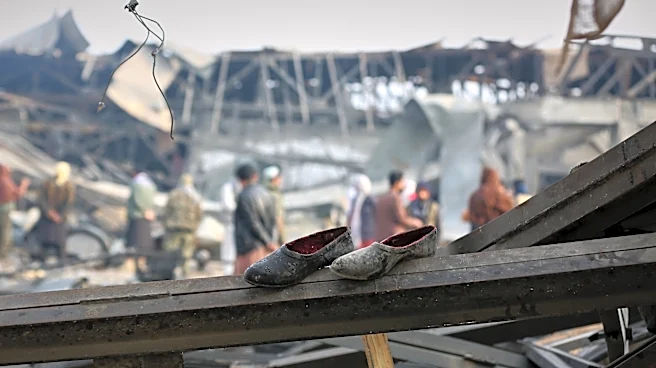
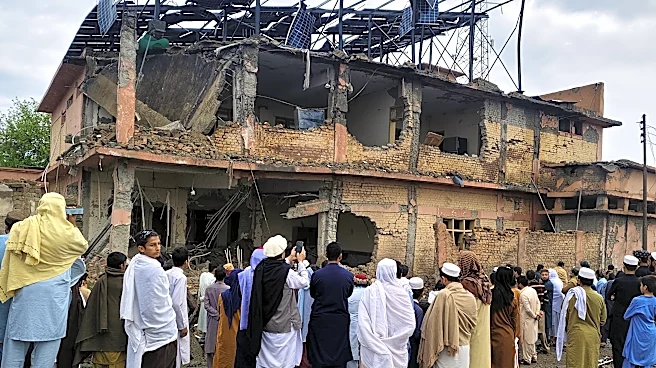
Taliban along the Afghan border. Despite the negotiations, tensions remain high, with Afghanistan accusing Pakistan of continued shelling in its eastern provinces. The discussions are seen as a critical step towards addressing cross-border terrorism and improving bilateral relations, with both sides acknowledging the need for diplomatic engagement.
Why It's Important?
The peace talks between Pakistan and Afghanistan are significant as they represent a potential turning point in regional stability and security. The involvement of China as a mediator underscores the geopolitical importance of the region and the international community's interest in resolving the conflict. Successful negotiations could lead to a reduction in violence, improved trade relations, and enhanced cooperation against terrorism. However, the ongoing military actions and mutual accusations highlight the challenges in achieving a lasting peace, with implications for regional security and international diplomatic efforts.
What's Next?
The outcome of the talks will likely influence future diplomatic and military strategies in the region. Both countries face pressure to demonstrate tangible progress in reducing violence and addressing terrorism. The international community, particularly China, will continue to play a role in facilitating dialogue and ensuring compliance with any agreements reached. The situation remains fluid, with potential for both escalation and resolution depending on the success of the negotiations and the willingness of both parties to compromise.