





What's Happening?
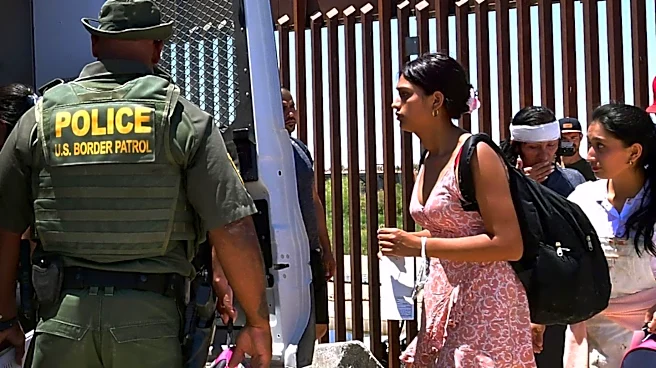
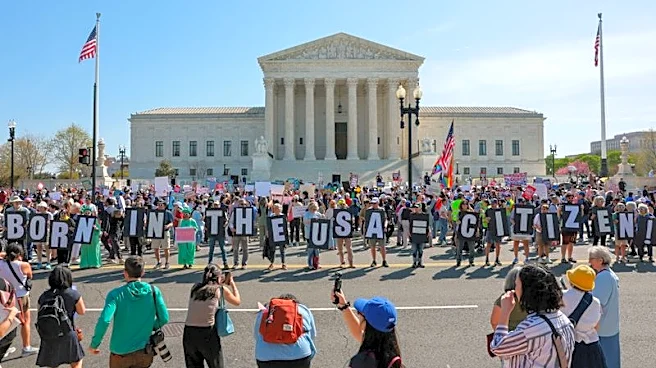
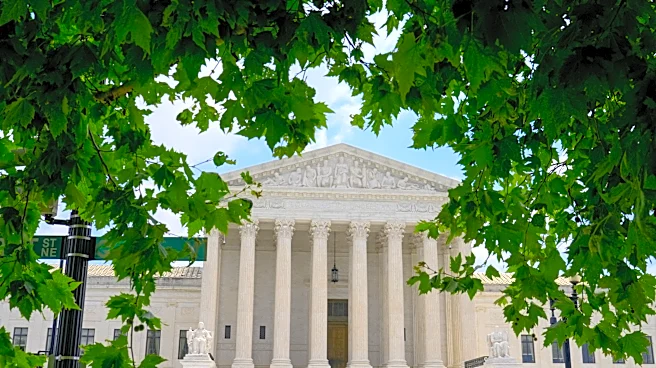
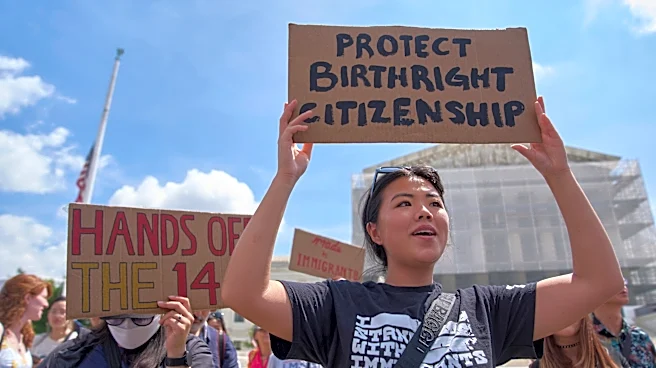
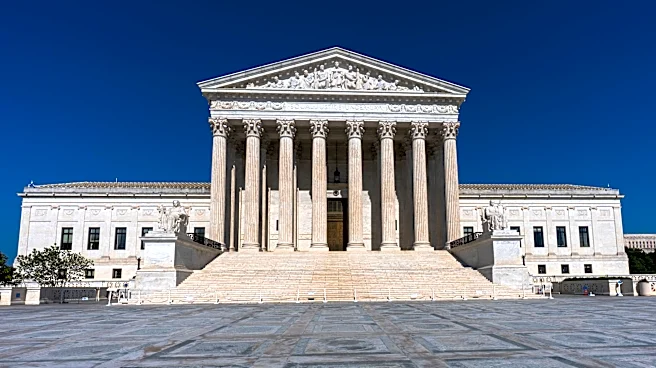
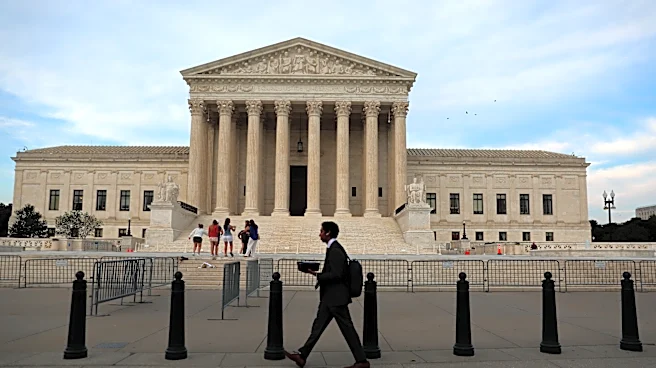
The U.S. Supreme Court has ruled in favor of the Trump administration's decision to end Temporary Protected Status (TPS) for Haitians and Syrians, affecting approximately 330,000 people. This decision underscores the power of the Secretary of Homeland
Security to grant or end TPS, potentially impacting hundreds of thousands more individuals. The Trump administration has already terminated TPS for 10 countries, affecting over a million people, with four countries still holding TPS designations set to expire later this year. The ruling has created uncertainty for TPS holders, many of whom have lived in the U.S. for decades and have built lives and families in the country.
Why It's Important?
The Supreme Court's decision to allow the Trump administration to end TPS for Haitians and Syrians has significant implications for the U.S. immigration system and the lives of hundreds of thousands of individuals. TPS was created to provide protection from deportation for people from countries experiencing extraordinary conditions, such as war or natural disasters. The ruling could lead to increased deportations and disrupt the lives of many who have lived in the U.S. for years. It also highlights the broader challenges facing the U.S. immigration system, as the administration has criticized the TPS program for being extended beyond its intended temporary nature.
What's Next?
Following the Supreme Court's ruling, the Trump administration is expected to move forward with terminating TPS for Haitians and Syrians. This could lead to increased deportations and further legal challenges as affected individuals and advocacy groups seek to protect their rights. The future of TPS for other countries remains uncertain, with potential extensions or terminations to be announced in a Federal Register Notice. The decision also raises questions about the broader implications for U.S. immigration policy and the potential need for legislative action to address the status of long-term TPS holders.