



What's Happening?
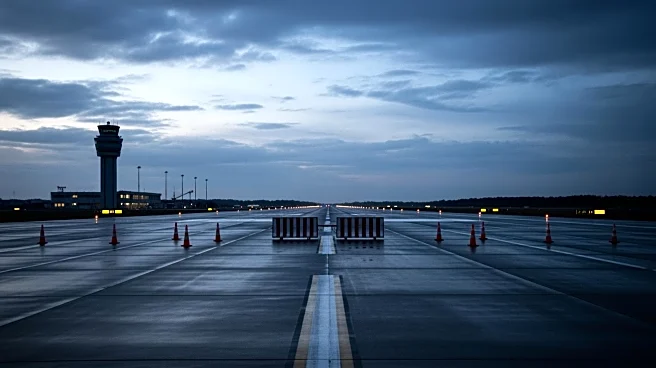
Local officials in El Paso, Texas, expressed frustration over the sudden closure of airspace by the Federal Aviation Administration (FAA) on February 11, 2026. The closure, initially set to last 10 days, was lifted within hours. The FAA cited 'special
security reasons' for the closure, which was reportedly due to Mexican cartel drones breaching U.S. airspace. The Department of Defense took action to disable the drones, and the FAA determined there was no threat to commercial travel. El Paso Mayor Renard Johnson criticized the lack of communication from federal agencies, stating that the decision caused chaos and confusion in the community. The closure affected all flights, including medical evacuations, and was described as a major disruption not seen since 9/11.
Why It's Important?
The incident highlights the challenges of managing airspace security in regions close to international borders, particularly with the increasing use of drones by criminal organizations. The lack of communication between federal agencies and local authorities underscores the need for better coordination in emergency situations. The disruption had significant implications for local travel and commerce, affecting major airlines and potentially impacting the local economy. The situation also raises questions about the adequacy of current protocols for handling drone threats and the balance between security measures and public communication.
What's Next?
Local officials, including Mayor Johnson, are demanding clearer explanations and better communication from federal agencies regarding the airspace closure. There may be calls for reviews of current protocols to prevent similar incidents in the future. The FAA and Department of Defense might need to reassess their strategies for dealing with drone threats, especially in populated areas. The incident could lead to discussions on improving inter-agency communication and coordination to ensure public safety without causing unnecessary disruptions.