






What's Happening?
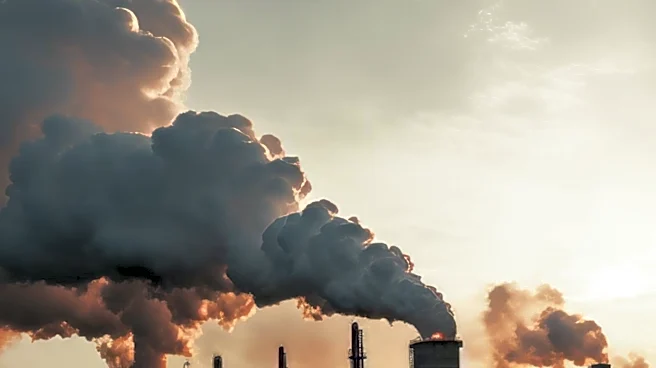
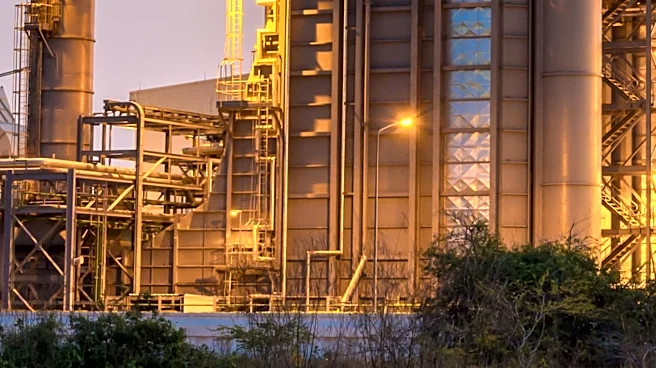
California's oil refineries are at a crossroads as they seek additional financial support from the state, citing high taxes, strict environmental regulations, and costs from the 'cap-and-invest' market on carbon emissions. Despite receiving $2 billion
in free allowances from the California Air Resources Board to encourage decarbonization, the future of these refineries remains uncertain. Many of these facilities are over a century old and are experiencing declining demand for gasoline, driven by the rise of electric vehicles. The state is considering allowing these refineries to retire without intervention, while ensuring gasoline prices remain stable for consumers, particularly low-income households. This could involve increasing imports and developing storage solutions to prevent price spikes.
Why It's Important?
The potential closure of California's aging refineries is significant for several reasons. It highlights the tension between maintaining energy supply and transitioning to cleaner energy sources. The refineries' closure could impact gasoline prices and availability, affecting consumers and the broader economy. Additionally, the transition poses challenges for workers and communities reliant on refinery operations. Ensuring a smooth transition is crucial to avoid economic disruptions and to support affected workers. The situation underscores the broader challenge of balancing environmental goals with economic realities, as California aims to reduce its carbon footprint while maintaining energy security.
What's Next?
As California navigates this transition, the state may need to explore alternative energy sources and infrastructure improvements, such as pipelines for importing petroleum products. Policymakers will need to address the economic and social impacts of refinery closures, including job losses and community support. Ensuring transparency and accountability in the cleanup of retired refinery sites will be essential to protect communities from environmental hazards. The state's approach to managing this transition could serve as a model for other regions facing similar challenges in the shift towards renewable energy.