








What's Happening?
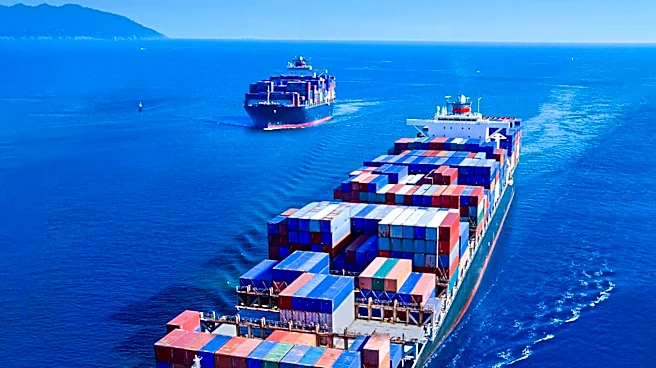
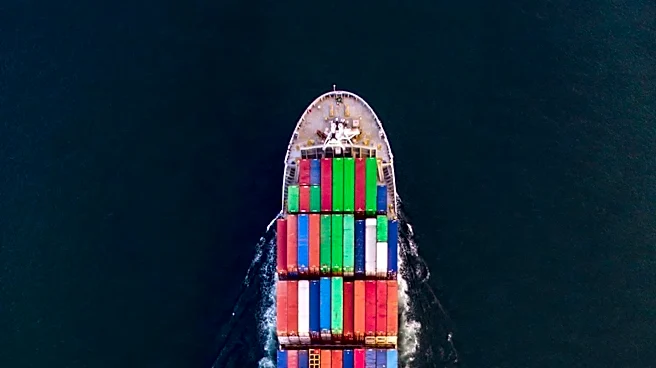
Turkey has imposed restrictions on commercial ship traffic into the Black Sea due to increased attacks on vessels, particularly affecting routes to Russia's Novorossiysk, a major oil and grain export hub. The Directorate General of Coastal Safety has halted
transit permits for ships bound for this region, citing security concerns following recent drone attacks on Turkish-owned vessels. This move comes amid heightened geopolitical tensions and has led to disruptions in global trade, particularly in oil and grain markets. The Turkish Foreign Ministry has called for urgent measures to ensure navigational safety, warning of potential negative consequences for food security.
Why It's Important?
The restriction on Black Sea shipping routes by Turkey is significant as it affects one of the world's key grain export regions, potentially exacerbating global food inflation. The disruption in oil and grain shipments could lead to increased prices and supply chain challenges, impacting economies reliant on these imports. The situation underscores the vulnerability of global trade routes to geopolitical conflicts and the need for enhanced maritime security measures. Stakeholders in the shipping and agricultural sectors may face increased costs and logistical challenges as they navigate these disruptions.
What's Next?
The ongoing tensions in the Black Sea region may prompt further diplomatic efforts to de-escalate the situation and ensure the safety of commercial shipping. Countries dependent on Black Sea exports might seek alternative routes or suppliers to mitigate the impact on their economies. Additionally, international bodies and maritime organizations could increase pressure on involved parties to reach a resolution that ensures the security of shipping lanes. The situation may also lead to increased military presence in the region to protect commercial interests.