







What's Happening?
The landscape of augmented reality (AR) is poised for significant transformation in 2025, with five key developments expected to redefine consumer interaction with technology. These shifts include the introduction of affordable AR glasses, the integration
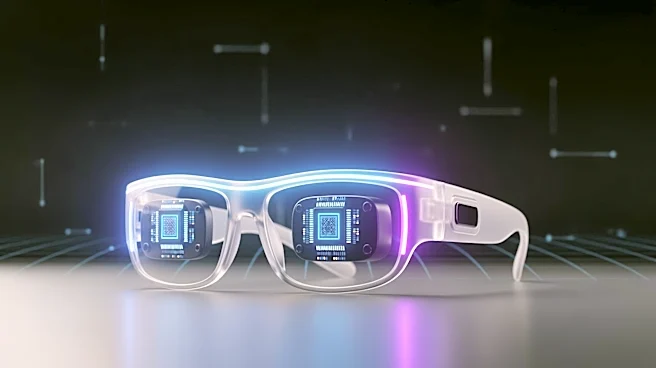
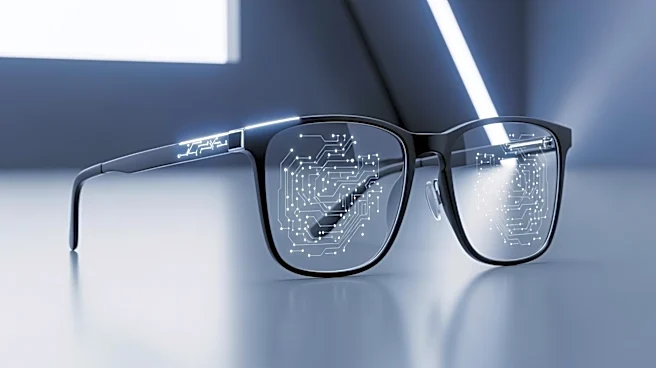
of mixed reality user interfaces into everyday applications, and the resurgence of location-based AR as a social platform. Notably, the Xreal One glasses have been highlighted for their sharp display and disruptive pricing, making AR more accessible to the general public. Additionally, the concept of 'the end of screens' is gaining traction, with AR being positioned as a potential replacement for traditional flat screens. AI-generated overlays are also anticipated to personalize and reduce the cost of AR experiences, offering scene-aware captions and live translations without extensive engineering.
Why It's Important?
These advancements in AR technology are significant as they promise to democratize access to AR, making it a part of daily life for millions rather than a niche technology. The affordability of new AR glasses like the Xreal One could lower the barrier to entry, encouraging widespread adoption. This shift could impact various sectors, including retail, education, and entertainment, by providing new ways to engage with content and environments. The move towards screenless experiences could also alter consumer habits, reducing reliance on smartphones and potentially reshaping the tech industry. However, these changes also raise questions about privacy and the management of digital distractions, as AR becomes more integrated into personal and public spaces.
What's Next?
As these AR technologies become more mainstream, developers and companies are likely to focus on creating applications that leverage these new capabilities. This could lead to increased investment in AR infrastructure and content creation, as well as collaborations between tech companies and other industries to explore new use cases. Consumers can expect to see more AR-enabled products and services in the market, potentially leading to a shift in how digital content is consumed and interacted with. Additionally, discussions around privacy and ethical use of AR technology are expected to intensify as these tools become more prevalent.
Beyond the Headlines
The rise of AR technology could have broader cultural implications, influencing how people perceive and interact with their environments. As AR becomes more integrated into daily life, it may change social dynamics, with new forms of communication and interaction emerging. The technology also presents opportunities for enhancing accessibility, providing real-time assistance and information to individuals with disabilities. However, the widespread use of AR could also lead to new forms of digital divide, as access to these technologies may vary based on socioeconomic factors.