



What's Happening?
The Maine Immigrants' Rights Coalition (MIRC) has issued a statement thanking participants and advocates in the 2026 midterm elections. MIRC, in collaboration with organizations like the League of Women Voters, ACLU of Maine, Disability Rights Maine, and Community
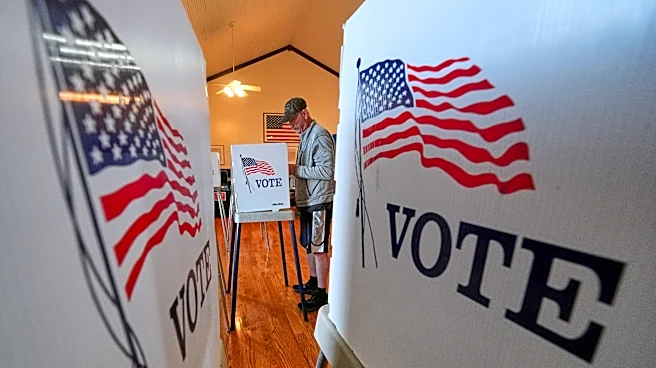
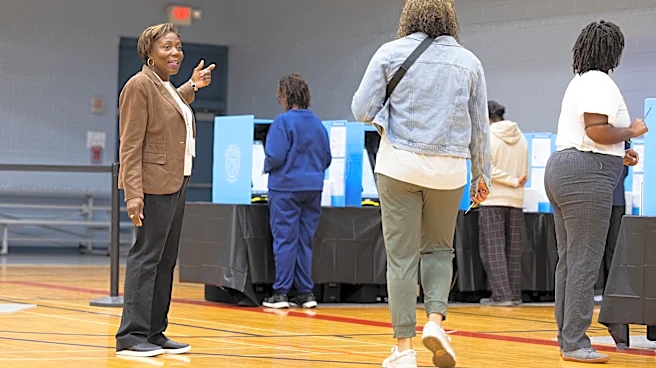
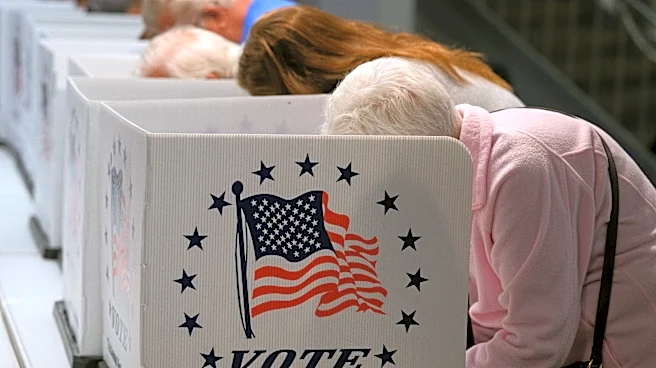
Organizing Alliance (COA), provided interpreters at polling locations across Greater Portland and Lewiston–Auburn to assist voters needing language support. They also partnered with White Men for Racial Justice, Khmer Maine, and COA to offer transportation to voters. Despite initial fears of ICE enforcement at polling places, which did not materialize, MIRC noted the determination of Mainers to participate. The coalition emphasized its commitment to removing language and transportation barriers to ensure eligible voters can exercise their right to participate in elections.
Why It's Important?
This effort by MIRC and its partners is significant for upholding democratic principles and ensuring equitable access to voting for all eligible citizens, particularly immigrant communities. By providing crucial services like language interpretation and transportation, these organizations directly address systemic barriers that can disenfranchise voters. This work reinforces the idea that civic participation is a fundamental right and that communities must actively work to make that right accessible. The high voter turnout projected for Maine, despite potential deterrents, underscores the resilience and commitment of its residents to engage in the democratic process. It also highlights the vital role of advocacy groups in protecting and expanding voting rights.
What's Next?
MIRC has indicated that its advocacy work will continue beyond Election Day, focusing on the safety and stability of immigrant families. The coalition plans to engage with newly elected and returning officials, inviting them to meet with MIRC members to learn about the priorities and impacts of immigration enforcement on Maine's immigrant communities. This suggests ongoing legislative advocacy and community engagement to ensure that the voices and concerns of immigrants are heard and addressed in policy-making. MIRC's continued efforts will likely focus on sustained work to protect the dignity, rights, and well-being of these communities, building on the momentum of successful voter participation.
Beyond the Headlines
The efforts by MIRC delve into deeper implications concerning the inclusivity of democratic processes and the challenges faced by immigrant populations. The initial fear of ICE presence at polling places, even if unfounded, highlights the climate of apprehension that can deter civic engagement within vulnerable communities. This situation underscores the need for clear communication and assurances from authorities to foster trust and encourage participation. Furthermore, the collaborative nature of MIRC's work with diverse organizations demonstrates the power of coalition-building in addressing complex social issues. It also brings to light the ethical imperative of ensuring that language and logistical barriers do not become de facto disenfranchisement mechanisms, thereby strengthening the fabric of a truly representative democracy.