





What's Happening?
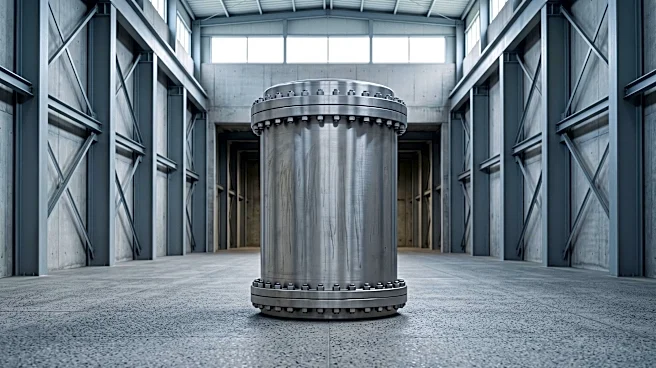
Representative Mike Levin has reintroduced legislation aimed at strengthening safety standards for the storage of spent nuclear fuel. The proposed bill would mandate the Nuclear Regulatory Commission (NRC) to require newly approved spent nuclear fuel storage canisters
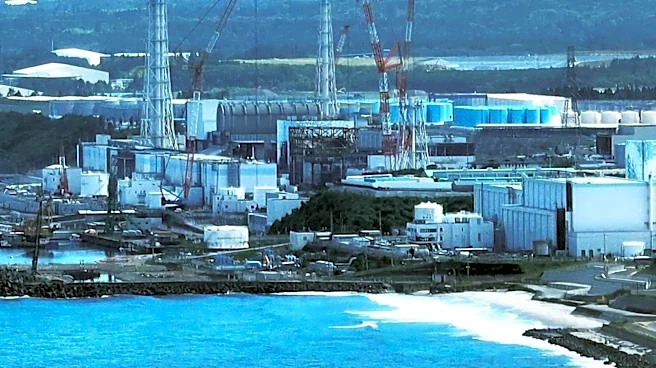
to meet a minimum 100-year safety standard, a significant increase from the current 40-year standard. According to a statement from Levin's office, this measure is critical given that the federal government lacks a permanent storage solution for spent nuclear fuel, leaving radioactive material at sites across the country, including the San Onofre Nuclear Generating Station (SONGS). SONGS, decommissioned in 2013, currently stores approximately 3.6 million pounds of spent nuclear fuel. Levin, whose district encompasses parts of North County and Orange County, emphasized the need for the safest possible storage until the waste can be relocated. The bill would grant the NRC 18 months to establish new regulations, requiring them to confirm that storage systems can safely contain spent nuclear fuel for at least a century before issuing or renewing approvals.
Why It's Important?
This legislation is important because it addresses a long-standing national issue concerning the safe management of nuclear waste. The current 40-year safety standard for storage canisters is deemed insufficient by proponents of the bill, given the indefinite timeline for establishing a permanent federal repository for spent nuclear fuel. Communities located near nuclear waste storage sites, such as San Onofre, face potential long-term risks if current storage methods prove inadequate over extended periods. Strengthening these standards could enhance public safety and environmental protection by reducing the likelihood of leaks or contamination from radioactive materials. Furthermore, it places increased responsibility on the NRC to ensure the longevity and integrity of storage solutions, potentially influencing future designs and operational protocols for nuclear waste management facilities across the U.S. The bill reflects a growing concern among lawmakers and the public about the environmental and health implications of prolonged on-site nuclear waste storage.
What's Next?
If passed, the bill would initiate a significant regulatory overhaul within the Nuclear Regulatory Commission. The NRC would be tasked with developing and implementing new regulations within an 18-month timeframe, requiring a comprehensive review of existing and proposed nuclear waste storage technologies. This could lead to increased scrutiny and potentially higher costs for operators of nuclear facilities seeking approval for new or renewed storage systems. Stakeholders, including nuclear power companies like Southern California Edison (owner of SONGS), would need to adapt to these stricter requirements, potentially investing in upgraded storage infrastructure. The legislation's progress through Congress will likely involve debates on the technical feasibility and economic impact of extending safety standards, as well as discussions on the broader national strategy for nuclear waste disposal. The bill's reintroduction signals continued legislative pressure to address the long-term challenges of nuclear waste management in the U.S.
Beyond the Headlines
The reintroduction of this bill highlights a deeper, unresolved national challenge: the absence of a permanent solution for high-level radioactive waste. While the legislation focuses on interim storage safety, it underscores the federal government's ongoing struggle to establish a long-term repository. This situation creates a de facto permanent storage scenario at temporary sites, raising ethical questions about intergenerational equity and the burden placed on communities near these facilities. The push for 100-year safety standards acknowledges the reality that these communities may host nuclear waste for far longer than initially anticipated. This legislative effort could also stimulate innovation in nuclear waste storage technology, encouraging the development of more durable and secure containment solutions. Ultimately, the bill reflects a broader societal reckoning with the legacy of nuclear energy and the imperative to manage its byproducts responsibly for centuries to come, even in the absence of a definitive final disposal plan.