


What's Happening?
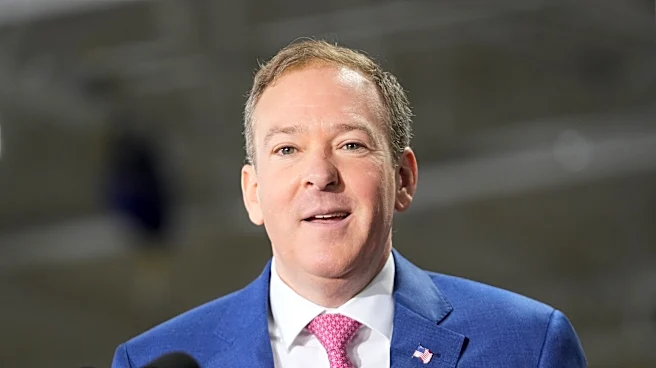
The Department of Health and Human Services (HHS) has announced a new initiative to study the effects of microplastics on human health. Secretary Robert F. Kennedy Jr. revealed the $144 million program, named STOMP (Systemic Targeting of MicroPlastics),
which aims to develop tools to detect and quantify microplastics in the human body, assess their health impacts, and devise strategies to remove them. Microplastics, tiny particles from larger plastic items, have been found in human organs, blood, and the placenta. The Environmental Protection Agency (EPA) has also added microplastics to its contaminant candidate list, prioritizing research and information collection to understand their effects on drinking water. This move is seen as a response to public concern over the presence of microplastics in water supplies.
Why It's Important?
The initiative marks a significant step in addressing the growing concern over microplastics, which are pervasive in the environment and human body. By prioritizing research on microplastics, the HHS and EPA aim to better understand their health risks and potentially develop regulations to limit exposure. This could lead to improved public health outcomes, particularly for vulnerable groups like pregnant individuals and children. The program also highlights the need for standardized measurement systems and national data to inform regulatory decisions. As microplastics are difficult to remove from water supplies, the initiative could drive innovation in filtration technologies and influence public policy on plastic production and waste management.
What's Next?
The EPA's contaminant candidate list, which includes microplastics, is currently in draft form and will undergo a 60-day public comment period before finalization. The list is updated every five years, and the inclusion of microplastics could lead to future regulations. The HHS program will focus on developing detection tools and strategies for removing microplastics from the body, with research prioritizing those at greatest risk. The initiative may prompt further studies and collaborations among toxicologists, data scientists, and public health experts to address the microplastics issue comprehensively.