




What's Happening?
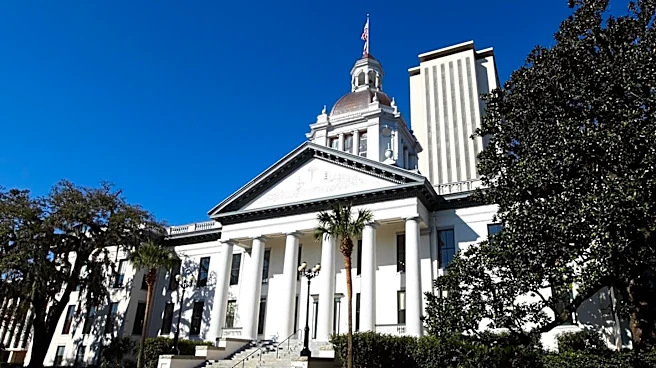
The Florida Department of Health has proposed eliminating the requirement for four types of immunizations at public schools: Hepatitis B, varicella (chickenpox), Haemophilus influenzae type b, and pneumococcal conjugate. The proposal, signed by Florida Surgeon
General Joseph Ladapo on August 24, also seeks to expand religious exemptions to include 'moral and ethical beliefs.' This move follows a year of state efforts to eliminate vaccine mandates, with Ladapo previously stating that mandates 'drip with disdain and slavery.' While the proposed rule targets PreK-12 schools, it also allows college and university students aged 18 to 20 to opt out of the state’s immunization registry, Florida SHOTS. Medical experts, including George Rust, a professor at FSU College of Medicine, and Dr. Rana Alissa, president of the Florida Chapter of the American Academy of Pediatrics, have warned that these changes threaten herd immunity and the health of vulnerable populations.
Why It's Important?
The proposed rollback of vaccine requirements in Florida carries significant public health implications. Childhood vaccine mandates are crucial for achieving herd immunity, which protects not only vaccinated individuals but also those who cannot receive vaccines due to age, medical conditions, or allergies. By removing requirements for specific vaccines and expanding exemptions, Florida risks increasing the susceptibility of its population to preventable diseases, potentially leading to outbreaks. Medical professionals emphasize that widespread immunization is essential for keeping children healthy and safeguarding the most vulnerable. The debate also highlights a tension between individual 'medical freedom' and the collective responsibility to maintain public health, with critics arguing that such policies prioritize individual choice over community well-being and evidence-based public health practices. This could set a precedent for other states and undermine national efforts to control infectious diseases.
What's Next?
The proposed rule is currently open for public comment, with a deadline of September 14 for evidence and arguments to be considered before it goes into effect. The Florida Legislature has not yet altered the state's immunization laws, which regulate vaccines for poliomyelitis, diphtheria, rubeola, rubella, pertussis, mumps, and tetanus, meaning these mandates cannot be changed by Department of Health rule. The issue has also become a central point in the Florida gubernatorial race, with Democratic nominee David Jolly pledging to fire Ladapo if elected, while Republican nominee Byron Donalds supports eliminating mandates not required by law. Florida State University's vaccine requirements for students remain intact, including MMR, Hepatitis B, and meningococcal meningitis, or signed waivers. The outcome of the public comment period and potential legislative action will determine the future of vaccine mandates in Florida.
Beyond the Headlines
The Florida Department of Health's proposal reflects a broader national trend of increasing vaccine skepticism and political challenges to public health authority. The expansion of exemptions to include 'moral and ethical beliefs' could significantly broaden the scope of individuals opting out of vaccinations, potentially weakening the state's public health infrastructure. This move raises fundamental questions about the role of government in public health, the interpretation of individual liberties, and the scientific basis of policy-making. The long-term implications could include a decline in public trust in health institutions, increased vulnerability to infectious diseases, and a potential shift in the legal landscape surrounding vaccine mandates. The debate in Florida serves as a microcosm of the ongoing national conversation about health policy, individual rights, and the collective good in a post-pandemic era.