






What's Happening?
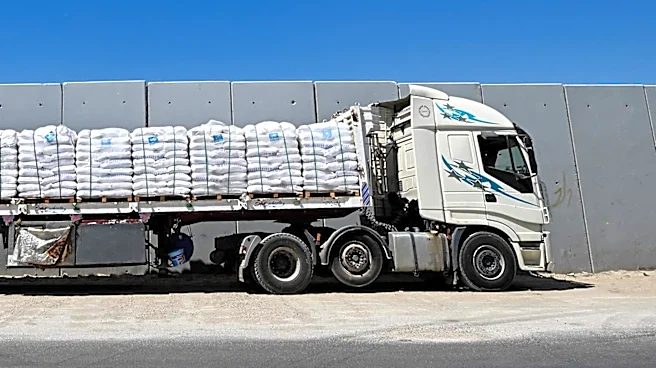
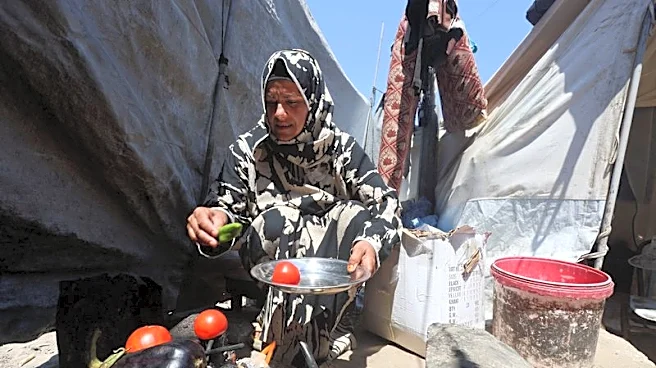
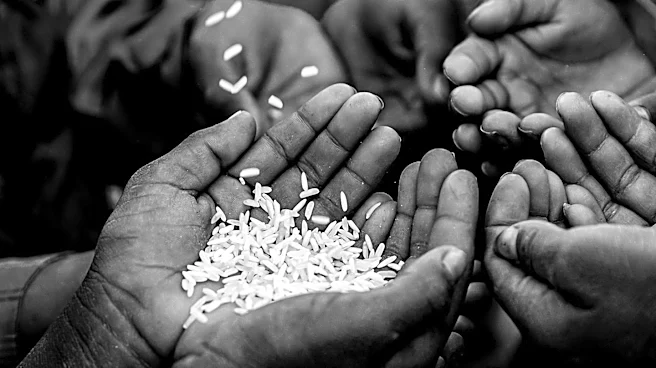
The humanitarian situation in Gaza is rapidly deteriorating, with over two-thirds of the population at risk of acute hunger by the end of the year. This crisis is exacerbated by significant reductions in humanitarian aid due to funding shortages. Although
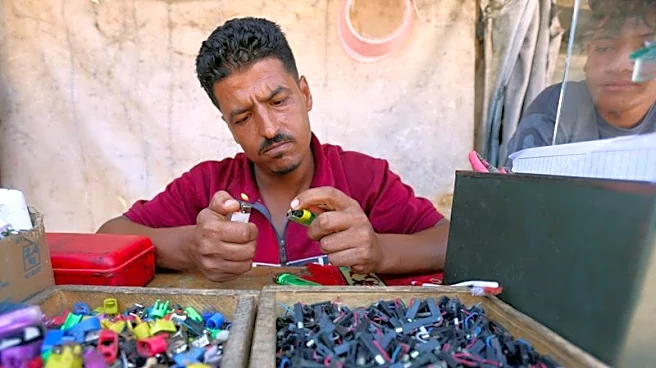
there was a decline in acute malnutrition levels among children following a ceasefire in October 2025, these gains are threatened by declining food consumption and increased poverty. The Integrated Food Security Phase Classification (IPC) reports that 59% of Gazans experienced crisis-level hunger from mid-April to late June, a figure that could rise to 67% by December. Israel disputes these findings, attributing the shortages to alleged mismanagement by Hamas.
Why It's Important?
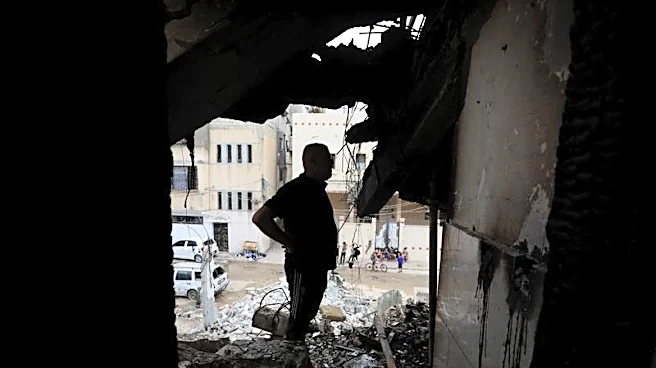
The escalating hunger crisis in Gaza highlights the severe impact of geopolitical tensions and funding shortages on humanitarian efforts. The reduction in aid not only threatens the health and well-being of Gazans but also risks destabilizing the region further. This situation underscores the critical need for sustained international support and effective management of aid resources to prevent a humanitarian catastrophe. The crisis also reflects broader challenges in addressing food security in conflict zones, where political and logistical barriers can severely hinder relief efforts.
What's Next?
The international community faces the challenge of addressing the funding shortfalls that are exacerbating the hunger crisis in Gaza. Humanitarian agencies may need to seek alternative funding sources or advocate for increased international support to sustain aid operations. Additionally, diplomatic efforts may be necessary to ensure continued access for aid deliveries and to address the underlying political tensions contributing to the crisis. The situation requires urgent attention to prevent further deterioration and to support the vulnerable populations affected by the ongoing conflict.