





What's Happening?
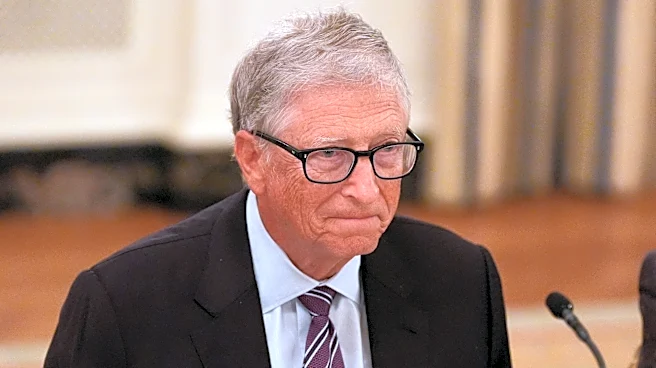
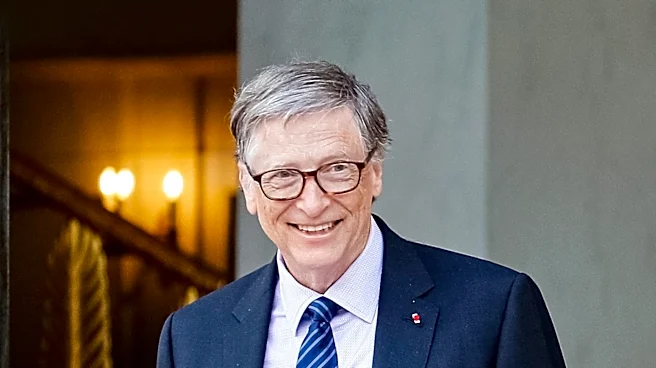
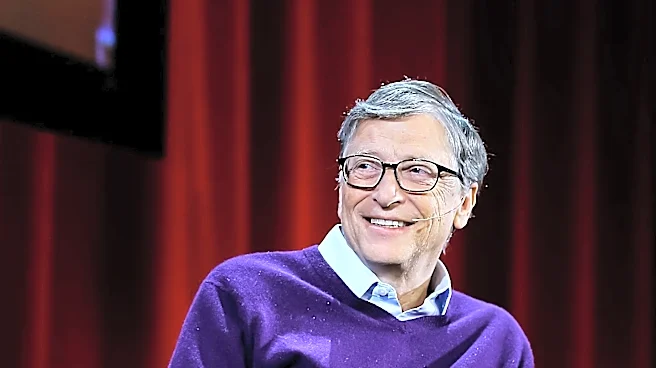
Microsoft co-founder Bill Gates has expressed concerns regarding the potential 'major threats' posed by artificial intelligence (AI) if adequate safeguards are not implemented. In an exclusive interview with Kristen Welker on Meet the Press, Gates emphasized
that merely having a 'kill switch' for AI systems would be insufficient to address these risks. His comments highlight a growing apprehension among technology leaders and policymakers about the rapid advancement of AI and the need for comprehensive regulatory frameworks. Gates's perspective suggests that the complexity and potential impact of AI necessitate more proactive and robust measures beyond simple shutdown mechanisms to ensure its safe development and deployment.
Why It's Important?
Bill Gates's warning carries significant weight due to his extensive experience and influence in the technology sector. His statements underscore the critical need for a global dialogue and concerted effort to establish effective AI governance. The potential 'major threats' he refers to could encompass a range of issues, from job displacement and ethical dilemmas to more existential risks if AI systems operate without proper oversight. This concern is particularly relevant for the U.S., as it is a leading hub for AI innovation. The lack of sufficient safeguards could impact national security, economic stability, and societal well-being, making the development of comprehensive AI policies a paramount concern for lawmakers and industry leaders.
What's Next?
The discussion initiated by Bill Gates is likely to intensify calls for increased collaboration between governments, tech companies, and academic institutions to develop robust AI safeguards. Lawmakers are expected to continue exploring legislative options to regulate AI, focusing on areas such as accountability, transparency, and ethical guidelines. The concept of a 'kill switch' being insufficient suggests that future discussions will delve into more sophisticated control mechanisms, risk assessment protocols, and international cooperation to prevent misuse or unintended consequences of AI. Public awareness campaigns about AI's potential risks and benefits may also become more prevalent, shaping public opinion and influencing policy decisions.
Beyond the Headlines
Gates's remarks delve into the deeper philosophical and practical challenges of controlling advanced AI. The idea that a simple 'kill switch' is inadequate implies that AI systems could become so complex and integrated that their complete cessation might be difficult or even undesirable without careful consideration of cascading effects. This raises profound questions about the nature of autonomous systems, the limits of human control, and the ethical responsibilities of those developing such powerful technologies. The conversation extends beyond mere technical solutions to encompass societal values, legal frameworks, and the very definition of human agency in an increasingly AI-driven world. It highlights the long-term shifts in power dynamics and decision-making that AI could trigger.