






What's Happening?
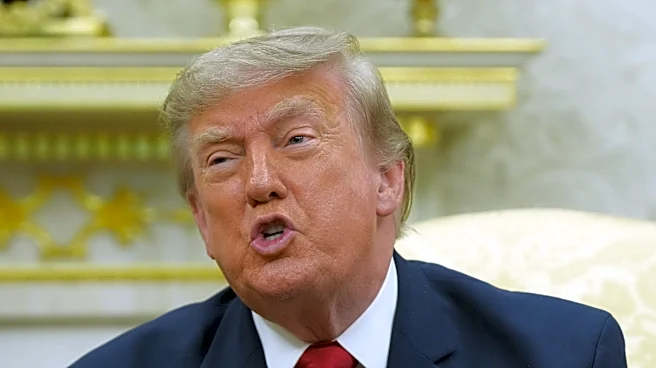
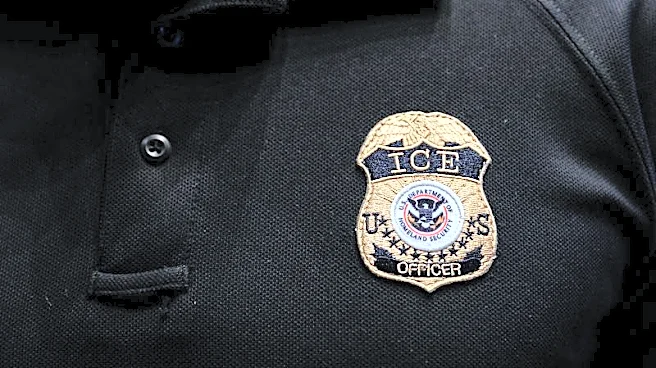
President Donald Trump has instructed U.S. Immigration and Customs Enforcement (ICE) to continue traffic stops, reversing a temporary halt following the fatal shootings of two immigrants in Texas and Maine. The directive comes after ICE officers killed
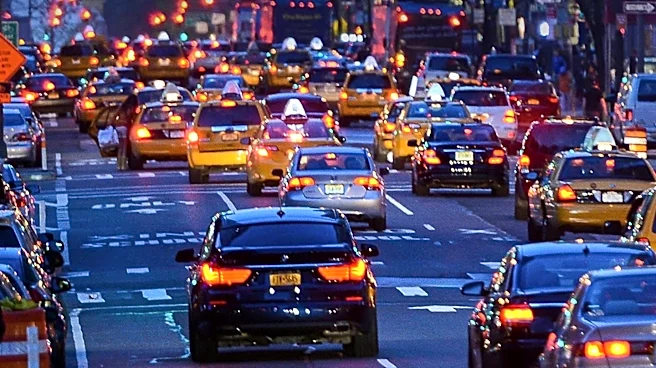
52-year-old Lorenzo Salgado Araujo in Houston and 25-year-old Johan Sebastián in Biddeford, Maine. Both incidents occurred during vehicle stops, and neither individual was the initial target of immigration enforcement. The Department of Homeland Security had paused vehicle-related enforcement to review procedures, but President Trump emphasized the importance of these operations, calling them one of ICE's most effective tools. The decision has sparked significant backlash, with calls from lawmakers and international leaders for a thorough investigation into the shootings.
Why It's Important?
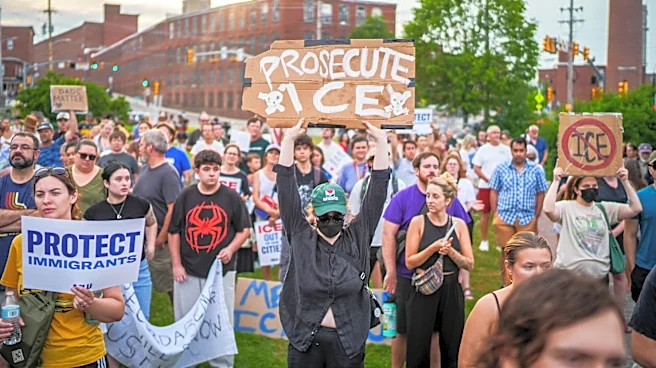
The resumption of ICE traffic stops underlines the ongoing debate over immigration enforcement policies in the U.S. The incidents have heightened tensions between federal immigration authorities and immigrant communities, leading to protests and calls for reform. The directive has also drawn international criticism, particularly from the leaders of Mexico and Colombia, who have condemned the actions as violations of human rights. The situation highlights the broader implications of immigration policies on U.S. foreign relations and domestic social cohesion. The controversy may influence public opinion and political discourse, especially as the country approaches election periods.
What's Next?
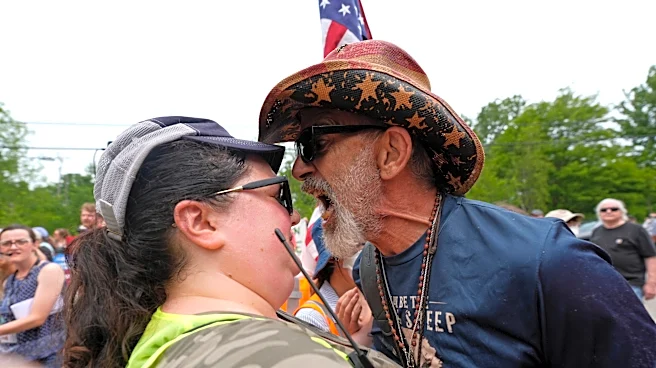
The shootings have prompted demands for an independent investigation by lawmakers, including Maine's congressional delegation, who have urged the Department of Homeland Security's Office of Inspector General to prioritize the inquiry. There is also pressure for the Department of Justice to collaborate with state and local authorities to ensure accountability. The Congressional Hispanic Caucus has called for the dismantling of ICE, reflecting growing calls for comprehensive immigration reform. The outcomes of these investigations and the political responses could shape future immigration policies and enforcement practices in the U.S.