

What's Happening?
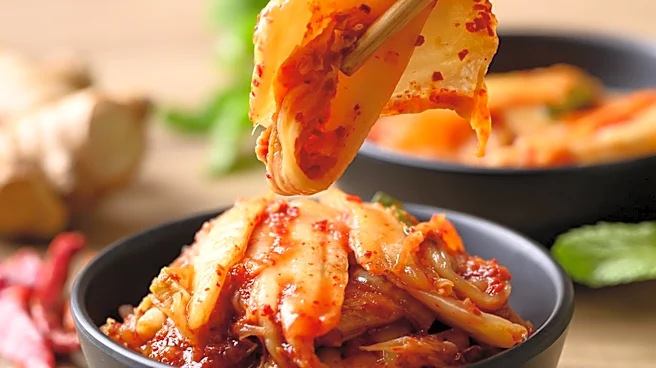
The presence of Pediococcus bacteria in DNA-based stool samples is primarily linked to the recent consumption of fermented foods such as sauerkraut, kimchi, and pickled vegetables. This lactic acid bacterium, commonly found in these food items, is detected
through DNA profiling techniques like PCR, which amplifies bacterial DNA. However, the detection of Pediococcus DNA does not necessarily indicate a living, established bacterial population in the gut, but rather reflects recent dietary intake. Studies have shown that food-associated strains like Pediococcus pentosaceus can be identified in feces through molecular profiling even when they cannot be cultured from the same samples, suggesting they are passing through the digestive system rather than residing there. This phenomenon highlights how transient dietary components can influence the results of DNA-based gut microbiome analyses, providing a snapshot of recent eating habits rather than a long-term resident community.
Why It's Important?
Understanding the influence of dietary intake on DNA-based stool profiling is crucial for accurate interpretation of gut microbiome data. Misinterpreting the presence of food-associated bacteria like Pediococcus as an indicator of a resident gut community or a health condition can lead to unnecessary concern or misdirected health interventions. For individuals undergoing gut health assessments, knowing that recent consumption of fermented foods can significantly alter results helps in providing more precise dietary and lifestyle information to healthcare providers. This distinction is particularly important in the context of personalized nutrition and health, where DNA-based insights are increasingly used to guide dietary recommendations. It underscores the need for careful consideration of an individual's recent diet when analyzing microbiome data to avoid drawing inaccurate conclusions about gut health or disease states.
What's Next?
Individuals undergoing DNA-based stool tests should be advised to consider their recent dietary intake, particularly regarding fermented foods, to ensure more accurate and representative results. Future advancements in gut microbiome research may focus on developing more sophisticated analytical methods that can differentiate between transient, food-derived bacterial DNA and DNA from established gut microbiota. This could involve integrating dietary logs with microbiome data to provide a more comprehensive understanding of gut health. Additionally, educational efforts could be enhanced to inform the public and healthcare professionals about the transient nature of certain bacterial detections in stool samples and their implications for interpreting DNA-based test results. This will help in refining the application of DNA-based diets and personalized health strategies.
Beyond the Headlines
The impact of diet on DNA-based profiling extends beyond Pediococcus, raising broader questions about the interpretation of all transient microbial signals in the gut. This highlights a fundamental challenge in microbiome research: distinguishing between correlation and causation when analyzing the complex interplay between diet, gut microbiota, and human health. The ethical implications of misinterpreting such data are significant, as they could lead to unnecessary dietary restrictions, supplement use, or medical interventions based on transient microbial signals rather than genuine health concerns. This situation also underscores the dynamic nature of the gut microbiome, emphasizing that it is constantly influenced by external factors like diet, and that a single snapshot may not fully capture its long-term state or functional capacity. Further research is needed to establish clear guidelines for sample collection and data interpretation in the context of dietary variability.