




What's Happening?
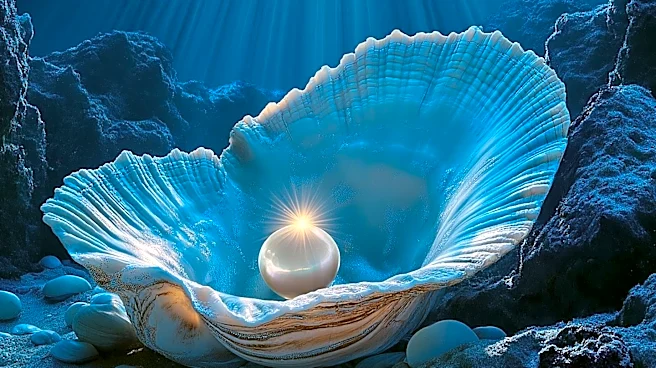
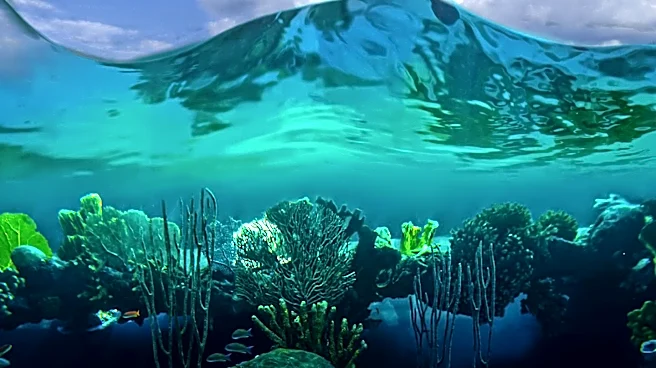
Bivalves, including clams, oysters, mussels, and scallops, are highlighted for their ecological roles in marine environments. These two-shelled mollusks are known for their ability to filter water, build reefs, and support diverse marine life. Bivalves are found
in various aquatic habitats, from tidal mudflats to deep-sea hydrothermal vents. They play a crucial role in maintaining water quality and providing habitat for other species. The article explores their unique adaptations, such as filter feeding and symbiotic relationships with bacteria, which enable them to thrive in diverse environments.
Why It's Important?
Bivalves are vital to marine ecosystems due to their role as ecosystem engineers. Their ability to filter large volumes of water improves water clarity and quality, benefiting other marine organisms. Bivalves also contribute to coastal protection by stabilizing sediments and reducing erosion. Understanding their ecological importance can inform conservation efforts, particularly in the face of threats like climate change and pollution. Protecting bivalve populations is essential for maintaining the health and resilience of marine ecosystems, which are critical for biodiversity and human livelihoods.