



What's Happening?
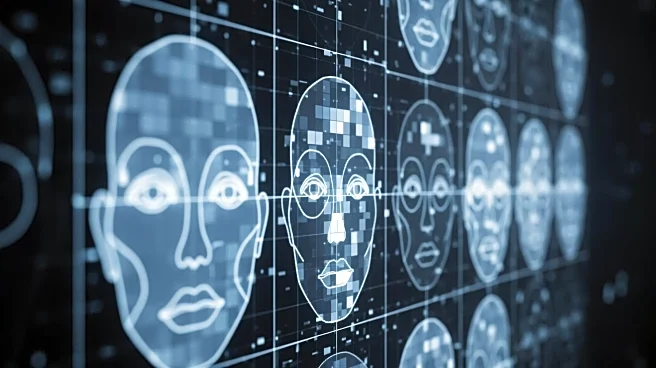
A study conducted by UNSW Sydney highlights the difficulty people face in distinguishing AI-generated faces from real ones. The research involved a test where participants had to identify whether faces were human or computer-generated. The average score
was slightly above chance, with 'super-recognizers' performing only marginally better. The study suggests that many rely on outdated visual cues, such as distorted features, which are no longer reliable due to advancements in AI technology. The findings were published in the British Journal of Psychology, emphasizing the evolving nature of AI-generated imagery.
Why It's Important?
The study underscores the growing sophistication of AI in generating realistic human faces, which poses challenges for security and authenticity verification. As AI-generated content becomes more prevalent, the ability to accurately identify such content is crucial for preventing misinformation and ensuring trust in digital interactions. This has implications for various sectors, including social media, security, and digital forensics, where distinguishing between real and AI-generated content is essential. The findings highlight the need for improved tools and techniques to keep pace with AI advancements.
Beyond the Headlines
The study raises ethical concerns about the potential misuse of AI-generated faces, such as in deepfakes or identity fraud. As AI technology continues to evolve, there is a pressing need for regulatory frameworks to address these challenges and protect individuals' privacy and security. Additionally, the reliance on AI for content creation could impact creative industries, prompting discussions about the role of human creativity in an increasingly automated world.