




What's Happening?
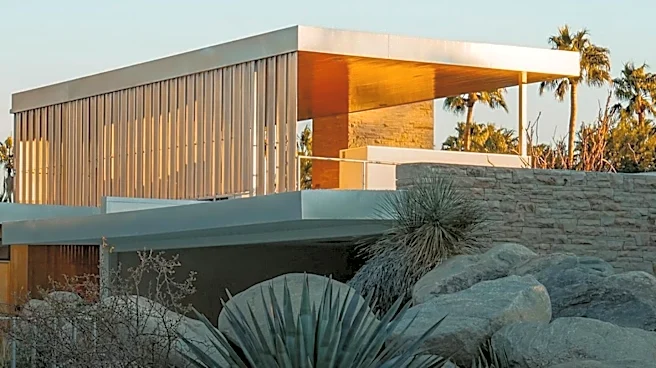
Bard Yersin Architectes has completed a project in Praz-Pury, Switzerland, that converts a disused agricultural section of a 1930s farmhouse into a contemporary apartment. The original farmhouse design, typical of the Fribourg canton, featured a single,
large roof sheltering both residential and agricultural spaces. The residential part traditionally occupied one gable end with two or three rooms along a central corridor, while the agricultural section was divided into three structural bays at the opposite end. This renovation project, titled 'Inhabiting the Stable,' focuses on adaptive reuse, transforming the former stable area into a new living space. The architectural firm aimed to preserve the historical character of the building while introducing modern residential functionalities. The project involved careful structural engineering, led by Daniel Bard, to ensure the integrity and safety of the converted space. The design emphasizes the integration of the new apartment within the existing framework, respecting the original architectural archetype of the region.
Why It's Important?
This project highlights a growing trend in sustainable architecture and urban development: adaptive reuse. By transforming existing structures rather than building new ones, it significantly reduces the environmental impact associated with construction, such as material consumption and waste generation. For the U.S., where many historical agricultural and industrial buildings stand disused, this approach offers a blueprint for revitalizing rural areas and preserving architectural heritage. It demonstrates how older buildings can be given new life, contributing to local economies through renovation and potentially attracting new residents or businesses. The success of such projects can influence policy decisions regarding zoning, historic preservation, and incentives for sustainable development, encouraging similar initiatives across the country. Furthermore, it showcases the value of specialized architectural and engineering services in navigating the complexities of renovating historical structures while meeting contemporary living standards.
What's Next?
The successful completion of projects like 'Inhabiting the Stable' could inspire further adaptive reuse initiatives, particularly in regions with a rich history of agricultural or industrial architecture. Architects and developers may increasingly explore the potential of converting underutilized historical buildings into residential, commercial, or mixed-use spaces. This could lead to a greater demand for specialized engineering and consulting services focused on structural integrity, historical preservation, and sustainable design. Local governments and historical societies might also look to this project as a model for developing new guidelines or incentive programs to encourage the preservation and repurposing of historical structures. The project's emphasis on minimal intervention and respect for the original archetype could become a benchmark for future renovations, promoting a balance between modernization and heritage conservation.
Beyond the Headlines
Beyond its immediate architectural achievement, this project touches upon broader societal and cultural implications. It represents a shift in how we perceive and value older buildings, moving away from demolition towards creative repurposing. This approach fosters a deeper connection to local history and identity, as it allows communities to retain physical links to their past while evolving to meet current needs. Ethically, adaptive reuse promotes resource efficiency and reduces urban sprawl, aligning with principles of environmental stewardship. Culturally, it can lead to unique living and working environments that blend historical charm with modern amenities, offering an alternative to generic new constructions. The project also underscores the importance of interdisciplinary collaboration between architects, structural engineers, and local authorities in navigating the challenges and opportunities presented by historical renovations.