




What's Happening?
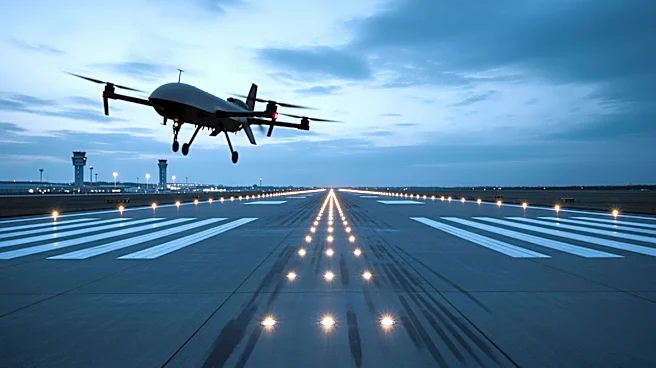
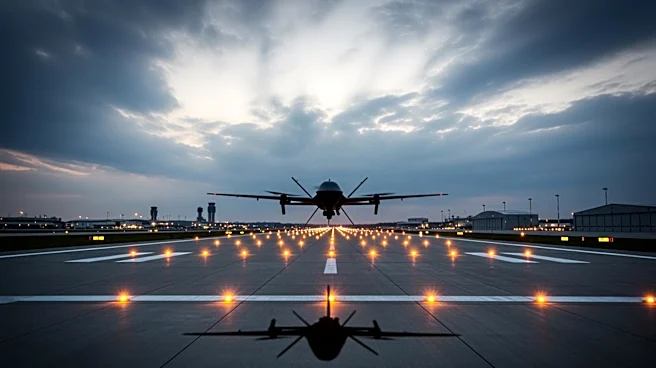
A recent drone attack by Iran on Kuwait's main airport has resulted in one fatality and multiple injuries, further straining the already fragile ceasefire between Iran and the United States. Despite the escalation, President Trump has downplayed the violence,
suggesting that a longer-term peace agreement might be achievable by the weekend. The incident underscores the volatile nature of the region and the challenges faced in maintaining peace. NBC News' Chief Foreign Correspondent Richard Engel is reporting from the area, highlighting the complexities involved in the ongoing negotiations and the impact of such attacks on diplomatic efforts.
Why It's Important?
The attack on Kuwait's airport is significant as it highlights the ongoing instability in the Middle East, which has broader implications for international relations and security. The involvement of Iran in such aggressive actions could potentially derail peace talks and exacerbate tensions between Iran and the U.S., affecting global diplomatic relations. The incident also poses a threat to regional security and could impact international travel and trade routes, given Kuwait's strategic location. The U.S. administration's response and its ability to negotiate a peace deal are crucial in determining the future stability of the region.
What's Next?
The next steps involve diplomatic negotiations aimed at de-escalating tensions and reaching a peace agreement. President Trump's assertion that a deal could be reached by the weekend suggests ongoing discussions and potential compromises. However, the success of these talks depends on the willingness of both parties to engage constructively. The international community, including allies of both Iran and the U.S., may play a role in facilitating dialogue and ensuring compliance with any agreements made. Monitoring the situation closely will be essential to prevent further incidents and maintain regional stability.