



What's Happening?
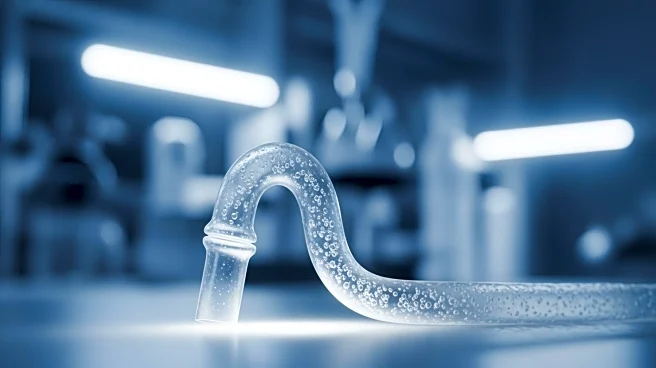
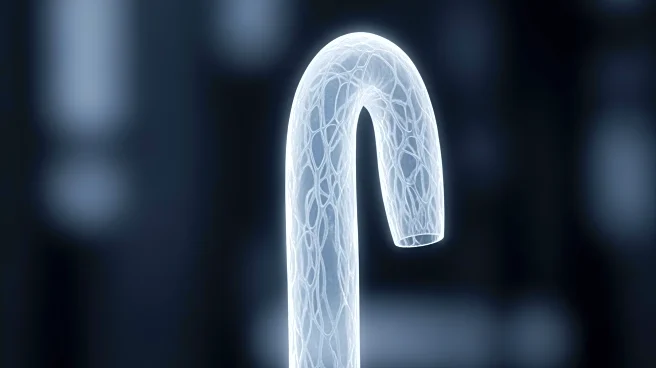
A recent study published in Nature Biotechnology has demonstrated the successful engineering and implantation of a lab-grown esophagus in pig models. The research, led by scientists from Great Ormond Street Hospital and University College London, involved
creating a 2.5-cm esophageal segment using a decellularized porcine scaffold repopulated with the recipient pig's muscle cells. This innovative approach allowed the transplanted esophagus to develop functional muscle, nerves, and blood vessels, enabling normal food movement. The study marks a significant advancement in regenerative medicine, particularly for conditions like long-gap esophageal atresia (LGOA) in children, where traditional surgical options are complex and carry significant risks.
Why It's Important?
This breakthrough in lab-grown organ technology could revolutionize treatment options for children with life-threatening esophageal conditions. By using the patient's own cells, the risk of rejection and the need for long-term immunosuppression are minimized. This development not only offers a potential solution for LGOA but also sets a precedent for personalized regenerative treatments. If adapted for human use, this technology could significantly improve the quality of life for patients and reduce the complications associated with current surgical methods.
What's Next?
The research team is working on refining the process to create longer grafts and standardizing manufacturing techniques. They aim to conduct further safety testing and prepare for first-in-human trials within the next five years. The success of these trials could lead to the widespread adoption of lab-grown organs in clinical settings, offering new hope for patients with various organ deficiencies.